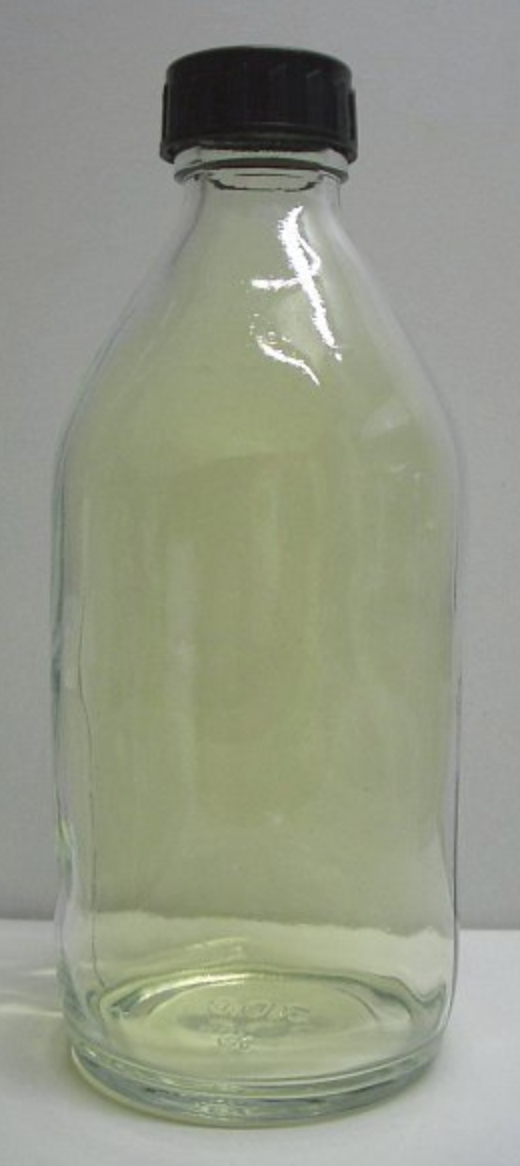
Chlorine is a chemical element with the symbol Cl and atomic number 17. The second-lightest halogen, it occupies Group 17 of the periodic table between fluorine and bromine, with physical and chemical properties largely intermediate between them. At standard temperature and pressure, chlorine exists as a diatomic gas (Cl₂) with a characteristic yellow-green color and a sharp, suffocating odor detectable at concentrations as low as 0.5 ppm.
Physical and Chemical Properties
Chlorine is a powerful oxidizing agent with the highest electron affinity of all elements and an electronegativity of χ=3.16 on the revised Pauling scale, surpassed only by oxygen and fluorine. It reacts vigorously with most metals, organic compounds, and many inorganic substances. Its high reactivity stems from the relatively weak Cl–Cl bond in the diatomic molecule (≈243≈243 kJ/mol), which makes homolytic cleavage energetically accessible, enabling free-radical chain reactions that are central to many industrial chlorination processes.
Chlorine dissolves readily in water, forming a mixture of hydrochloric acid (HCl) and hypochlorous acid (HOCl) — the latter being the primary disinfecting species in water treatment applications.
Production
Virtually all commercial chlorine is produced by electrolysis of aqueous sodium chloride (brine) via the chloralkali process, which simultaneously yields sodium hydroxide (caustic soda) and hydrogen gas. Three cell technologies are in use: membrane cells (dominant in new capacity due to lower energy consumption and absence of mercury), diaphragm cells (common in older North American plants), and mercury cells (largely phased out under environmental regulation). The fixed molar co-production ratio of chlorine and caustic soda (~1:1.1 by mass) means that market dynamics for both products are tightly coupled — a key commercial consideration for producers.
Global chlorine installed capacity stood at approximately 92 million tonnes per year in 2024, growing from ~88 Mtpa in 2019, with actual market volume exceeding 100 million metric tonnes in 2023 on a consumption basis. Production is geographically concentrated in China, the United States, and Western Europe, with North America alone accounting for 16 million tonnes per year of installed capacity and Europe producing approximately 7.3 million tonnes in 2023.
Industrial Significance and Derivatives
Chlorine is one of the most strategically important commodity chemicals, estimated to be involved — directly or as an intermediate — in the production of approximately 55–60% of all commercial chemicals by value. Its principal downstream derivatives include:
- Vinyl chloride monomer (VCM) → polyvinyl chloride (PVC), the single largest end use (~35% of chlorine consumption)
- Chlorinated solvents such as methylene chloride, chloroform, and trichloroethylene, used in pharmaceuticals, metal cleaning, and extraction
- Isocyanates (via phosgene, COCl₂), which are essential intermediates for polyurethanes used in foams, coatings, and adhesives
- Epichlorohydrin, a key building block for epoxy resins and synthetic glycerol
- Chlorinated intermediates for agrochemicals and crop protection products
- Inorganic chlorine compounds including hydrochloric acid, sodium hypochlorite (bleach), and titanium tetrachloride (used in TiO₂ pigment production)
- Water treatment, where chlorine and its derivatives remain the dominant disinfection chemistry globally
The chlorine value chain is notable for its broad reach across construction, healthcare, agriculture, automotive, and electronics sectors, making chlorine demand a useful proxy indicator of broader industrial activity.
Health, Safety, and Regulation
Chlorine is acutely toxic and was historically deployed as a chemical weapon in World War I. Modern industrial handling is governed by strict safety standards (OSHA, REACH, and equivalent frameworks), with pipeline transport preferred over cylinders to minimize risk. Environmental regulation has driven the phase-out of certain organochlorine products — particularly chlorinated pesticides and PCBs — though the chlorine industry has adapted by shifting toward higher-value, lower-volume specialty applications.
References
- Wikipedia — Chlorine (edited on Jun 1, 2026)
- Euro Chlor — Chlor-Alkali Industry Review 2023–2024 (Sep 11, 2024)
- Euro Chlor — Industry: European Chlorine Production and Capacity Data (2024–2025)
- Kirk-Othmer Encyclopedia of Chemical Technology, 5th Edition, Vol. 6 — Chlorine — Wiley (2004–2007)
- Statista — Market volume of chlorine worldwide from 2015 to 2022
- MRRSE — Chlorine Global Production Capacity and Growth Outlook (Jan 2026)