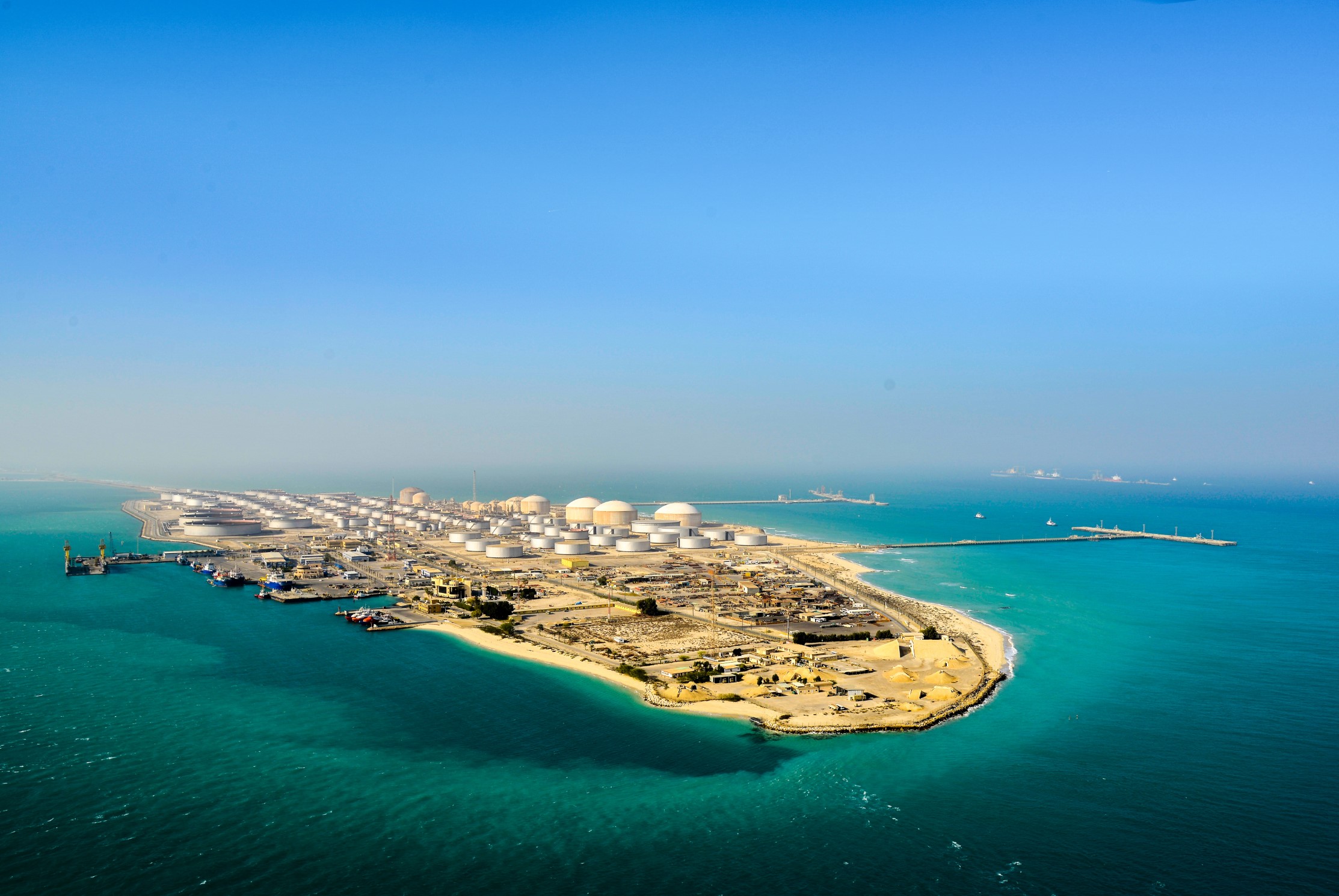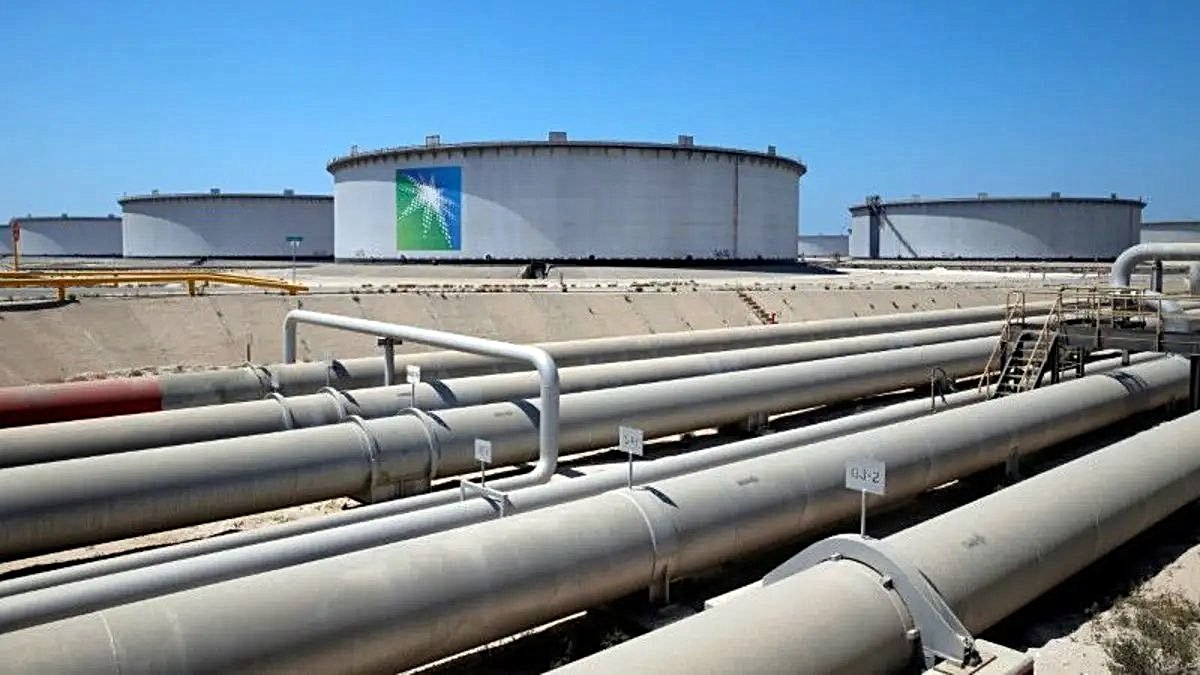
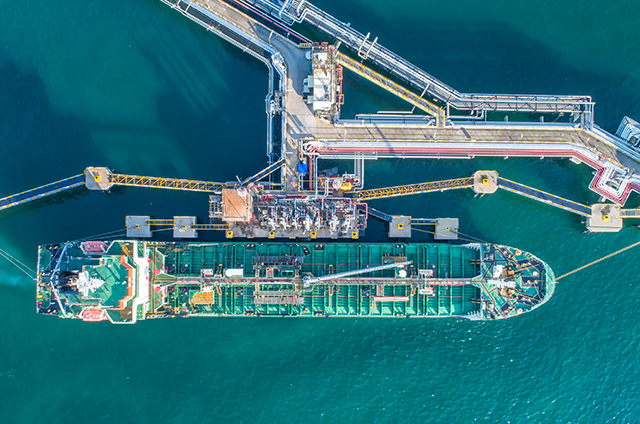

Ras Tanura refinery and Export terminal | Source: Saudi Aramco website.
The Ras Tanura Refinery (RTR) is Saudi Aramco's largest, oldest, and most complex refinery, and the largest refinery in the Middle East. Located on a peninsula extending into the Persian Gulf near the industrial port city of Jubail, the refinery has a crude distillation capacity of 550,000 barrels per day (bpd) and accounts for approximately 16% of Saudi Arabia's total refining capacity. It covers an area of 5.5 million square metres and serves as a critical hub for both domestic supply and export.
History
The site's refining history dates back to 1941, when a small topping refinery with a capacity of 3,000 bpd was commissioned — the Kingdom's first oil refinery. That initial plant was shut down during World War II due to resource constraints. A replacement refinery commenced operations in September 1945 with a capacity of over 60,000 bpd. By the mid-1980s, capacity had grown to 250,000 bpd, and in 2003 a 200,000 bpd gas condensate splitter was added, later expanded to 225,000 bpd, bringing total capacity to 550,000 bpd. A major expansion worth USD 8 billion was carried out between 2007 and 2012.
Processing Units & Configuration
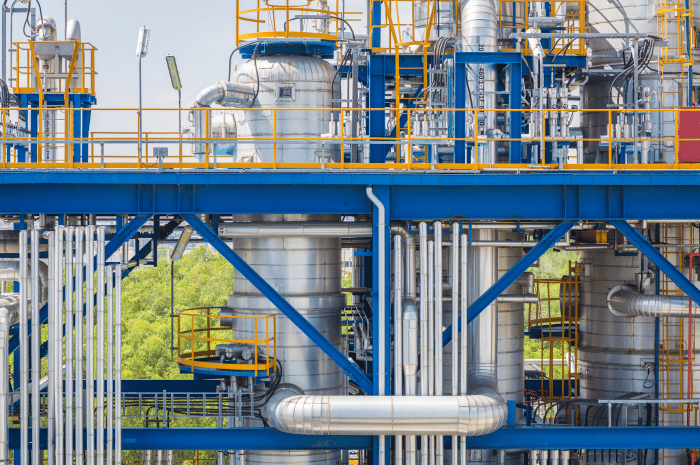
The refinery complex operates three major divisions: Refining, NGL and Oil Processing, and Utilities. Key processing units include:
The refinery is self-sufficient in utilities, generating 178 MW of power through four steam turbines and two cogeneration units, with a backup connection to the Saudi Electricity Company's Eastern Region grid.
Products
The refinery produces a full slate of transportation and industrial fuels:
Products cover approximately 40% of Saudi Arabia's domestic fuel needs. Most refined products are supplied to the Dhahran bulk plant for domestic distribution, while naphtha and certain other products are exported.
Export Terminal
Adjacent to the refinery is the Ras Tanura Oil Terminal, one of the world's largest crude oil export terminals. The terminal comprises three sections — the North Pier, South Pier, and Sea Islands — with the Sea Islands terminal alone having a capacity of approximately 6 million bpd, plus an additional 2.5 million bpd at the two pier terminals. The terminal is linked by subsea pipeline to the Ju'aymah offshore oil terminal and manages over 2,000 cargo ships annually. In 2008, the facility handled approximately 75% of Saudi Arabia's crude oil exports.
Clean Fuels & Aromatics Project
Saudi Aramco launched a USD 2.6 billion Clean Fuels and Aromatics Project to upgrade the refinery's environmental compliance and production of chemical intermediates. The scope included front-end engineering design (FEED) for inside and outside battery limits modifications, aligned with evolving environmental regulations on fuel quality. The project's completion date was reported as 2023.
Recent Developments
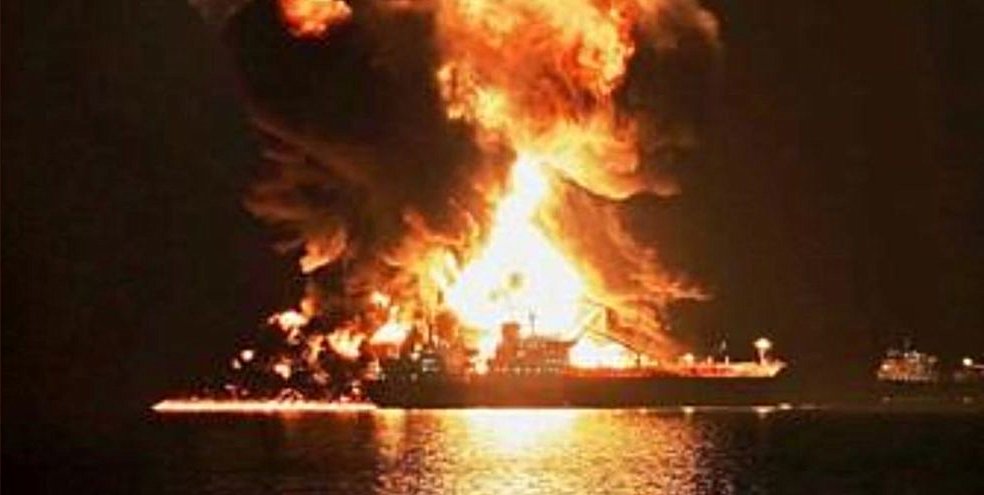
In early March 2026, the refinery was shut down following a drone strike amid heightened regional tensions related to Iranian military actions in the Gulf. Operations were restarted on March 13, 2026, restoring the full 550,000 bpd capacity.