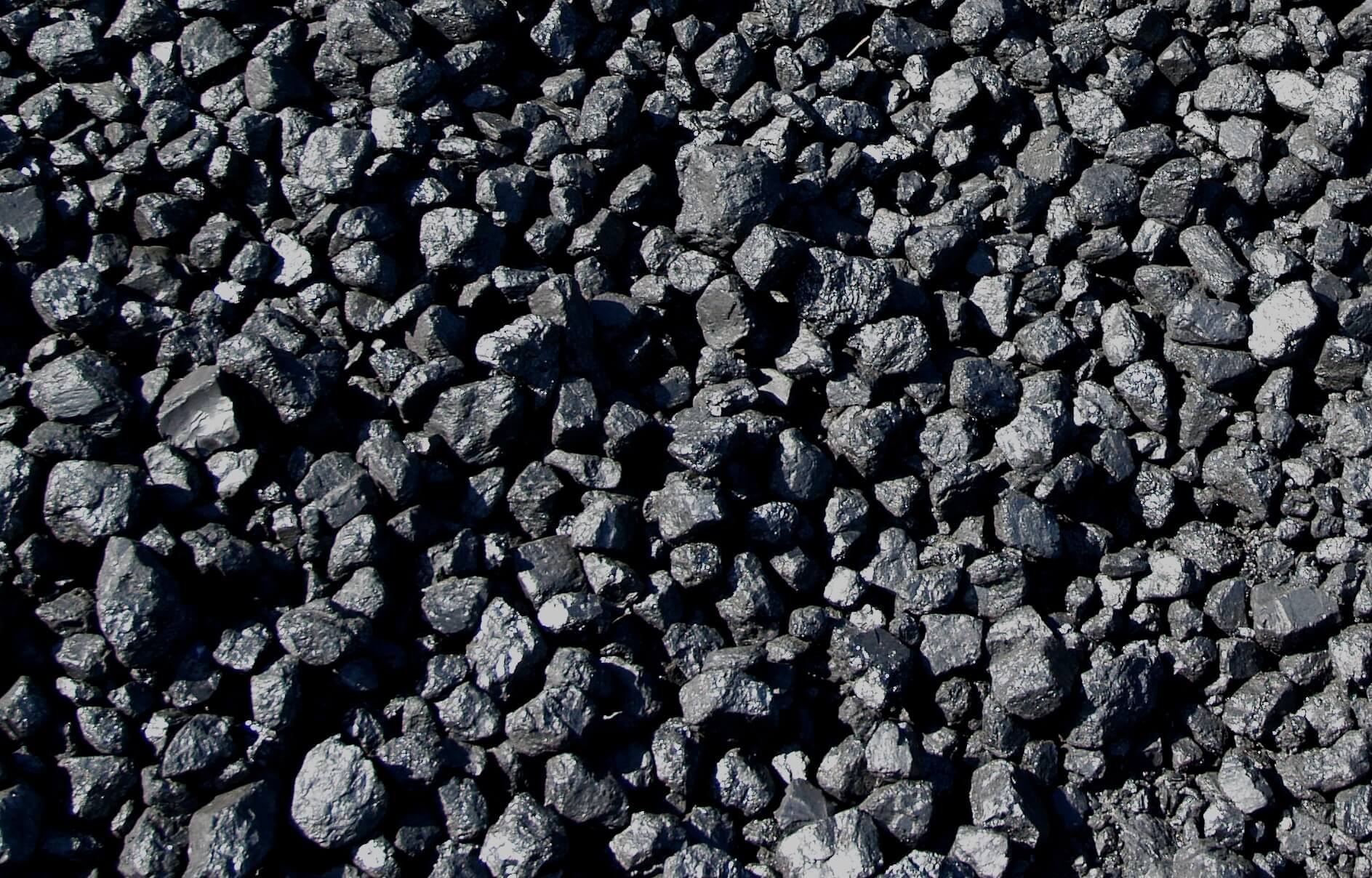

Product
Green Petroleum Coke
Abbreviation
GPC
Names
Coke; Coke (petroleum); Pet Coke; Petcoke; Petroleum Coke; Sponge Coke; Shot Coke; Green Needle Coke
Insight Articles
#PS244
petcoke petroleumcoke greenpetroleumcoke delayedcoker gpc
Main Product
Coke
Segment
Refined Products
Main-Family
Refinery Residues
Sub-Family
Coal & Petroleum Residues
Physical State

Solid

Description

Green petroleum coke (GPC) is the raw, unprocessed form of petroleum coke as it exits the coker unit in an oil refinery. The term "green" does not refer to any environmental property but is an industrial designation indicating that the material is in its as-produced, uncalcined state, still retaining residual moisture, volatile hydrocarbons, and other impurities driven off only in subsequent calcination.​

GPC is produced when the heaviest residual oil fractions — vacuum residue, atmospheric residue, or bitumen-derived streams — are thermally cracked in a delayed coker or fluid coker at temperatures of 480–510 °C under elevated pressure. The thermal cracking reaction simultaneously produces lighter hydrocarbon streams (coker naphtha, coker gas oil) that are recovered and reprocessed, while the solid carbon residue accumulates in the coke drum and is periodically cut out with high-pressure water jets.

Physical and Chemical Properties

GPC is a hard, black or dark grey solid with a porous, granular structure. Key properties include:​

  • Carbon content: 90–97%
  • Volatile matter: 4–12% (the defining characteristic distinguishing it from CPC)
  • Sulphur content: 0.5–7%+ depending on crude oil feedstock — the most critical quality variable
  • Metals (V, Ni): present at trace to significant levels, inherited directly from the crude oil processed
  • Moisture: up to 8–10% as cut from the coke drum
  • HGI (Hardgrove Grindability Index): 35–75, indicating moderate grindability for fuel applications​

Morphological Types

The physical structure of GPC depends on the feedstock quality and coking conditions:

  • Sponge coke — the most common type; irregular, porous structure; anode-grade quality when low in sulphur and metals; primary feedstock for calcined petroleum coke​
  • Shot coke — hard, spherical pellets; produced from high-asphaltene, high-metals feedstocks; generally fuel-grade only​
  • Needle coke — a premium, highly ordered crystalline structure produced from specific aromatic feedstocks (decant oil, coal tar); sold commercially as green needle coke and classified separately due to its distinct specifications and end-use in graphite electrodes and lithium-ion battery anodes

Grades and End Uses

GPC quality is primarily determined by sulphur content, which dictates whether it is directed to anode-grade or fuel-grade markets:

  • Anode-grade GPC (sulphur <3%, low vanadium/nickel) — calcined to produce CPC for aluminium smelting carbon anodes; commands a significant price premium​
  • Fuel-grade GPC (sulphur >3%) — used directly as a combustion fuel in cement kilns, lime kilns, power plants, and industrial boilers as a cost-effective substitute for coal and petroleum fuels​

Production Context

GPC is an unavoidable by-product of refinery operations — every barrel of heavy crude oil processed yields a quantity of petcoke that cannot be eliminated, only managed. Global GPC production exceeds 150 million tonnes per year, with the United States, China, India, and Canada (from oil sands upgrading) as the leading producers. The continued shift by refineries toward processing heavier, higher-sulphur crude oils has steadily increased petcoke yields per barrel, reinforcing its importance as both a challenge and a commercial opportunity for refiners.


References

  1. British Academy for Training & Development (Jan 1, 2024). Petroleum Coke Explained: Production, Types, and Key Applications in Industry
  2. London Premium Centre (Jan 14, 2024). Petroleum Coke: A Comprehensive Guide to Production, Specifications, and Types
  3. China Petrochemical Corporation (SINOPEC). Petroleum Coke (Accessed Mar 3, 2026)
  4. Falih S., Al-Mustaqbal University College. Properties of Petroleum Fuels — Petroleum Coke (Document date: May 12, 2020)
  5. Wikipedia. Petroleum coke (Page version: Jul 6, 2025)
  6. Research and Markets (Jan 2026). Report 5939354: Petroleum Coke Industry Report 2026

Insight Articles
Your insights will be shown here

Petroleum Coke http://www.limamtrading.com/petroleum-coke-petcoke/
Identifiers

logo CAS Number
64741-79-3
logo EC Number
265-080-3
logo ECHA InfoCard
100.059.146
logo IUPAC Name
Coke (petroleum)
Chemical Data

Specific Gravity
2.00
Crude Data

API Gravity
-60.75
Country
Product Settings

Default
Status
A
Content provided by
Transaction Name Date
Modified by UserPic   Kokel, Nicolas 3/3/2026 8:49 PM
Added by UserPic   Kokel, Nicolas 11/9/2021 11:18 AM