Product
Alkylbenzenes
Segment
Chemicals
Main-Family
Aromatics
Sub-Family
Benzene & Homologues
Link
Insight Articles
#PS114

Description

Alkylbenzenes are aromatic hydrocarbons produced by the catalytic alkylation of benzene with olefins, creating compounds with various chain structures and molecular weights used primarily in surfactants, detergents, and specialty applications.

Linear Alkylbenzene (LAB)

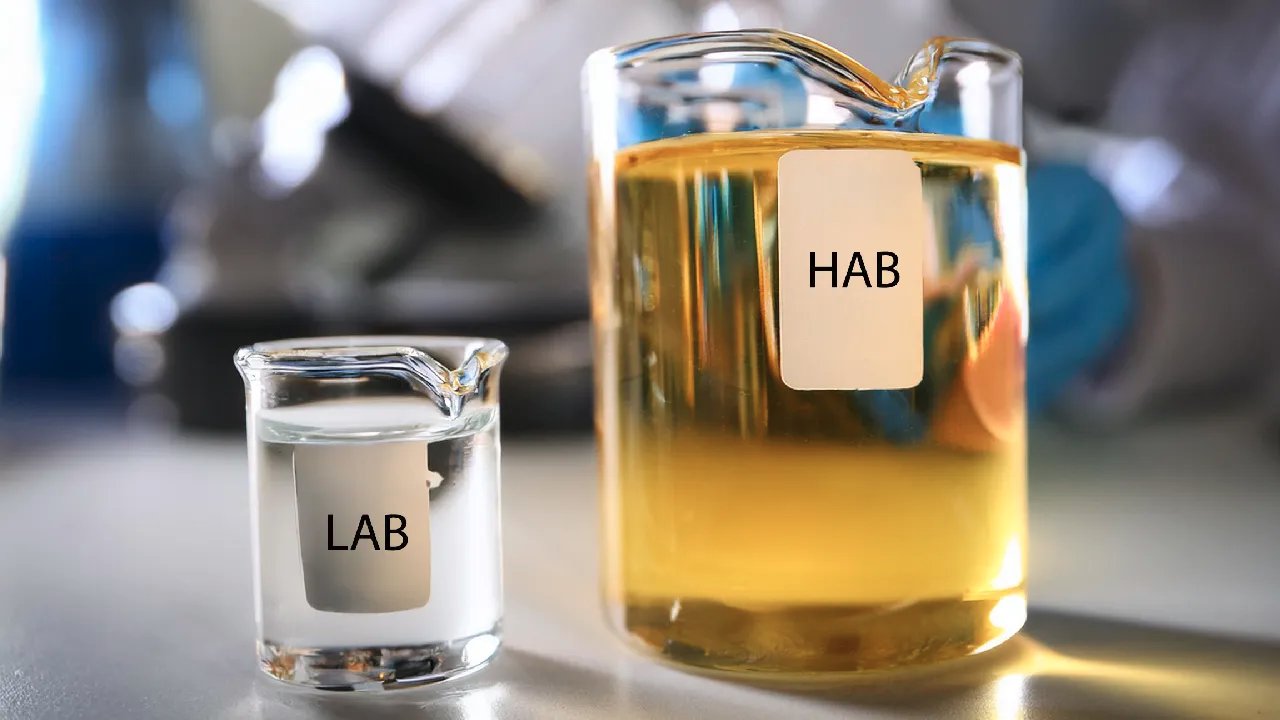
Linear Alkylbenzene (LAB) features an unbranched alkyl chain (typically C10-C13) attached to a benzene ring. LAB is produced by reacting benzene with linear alpha olefins derived from dehydrogenated n-paraffins separated from kerosene, or alternatively through ethylene oligomerization routes. The linear structure enables superior biodegradability through beta-oxidation pathways, making LAB the preferred feedstock for manufacturing Linear Alkylbenzene Sulfonate (LAS), the dominant surfactant in household and industrial detergents globally.

Branched Alkylbenzene (BAB)

Branched Alkylbenzene denotes alkylbenzenes whose side chains contain one or more branching points, typically produced by alkylating benzene with propylene oligomers (e.g. tetramers) or other branched olefin streams. BAB was historically the basis for early alkylbenzene sulfonate detergents but its branched structure leads to slower biodegradation; today it is used more in applications such as specialty solvents, lubricant base stocks, and additives where high solvency and film strength are valued.

Heavy Alkylbenzene (HAB)

Heavy Alkylbenzene refers to the higher-boiling, higher‑molecular‑weight fractions obtained as co‑products in alkylbenzene manufacture, and may be either predominantly branched (HBAB from BAB units) or predominantly linear (HLAB from LAB units) depending on the process. These heavy cuts consist of longer and/or more substituted alkylbenzene molecules with higher viscosity and flash point, making them suitable for uses such as lubricant and metalworking-fluid base oils, heat-transfer fluids, and other industrial formulations where low volatility and thermal stability are important.

Comparison of LAB vs BAB vs HAB

Aspect LAB (Linear Alkylbenzene) BAB (Branched Alkylbenzene) HAB (Heavy Alkylbenzene:
HBAB / HLAB)
Alkyl
chain type
Linear
(unbranched)
Branched side
hains
Longer / heavier linear
branched chains
Typical
range
Detergent-range,
e.g. C10–C13
Detergent-range,
often around
C12 branched
Heavier than main LAB/BAB cut
(higher carbon number
/ boiling range)
Origin Main product
from LAB process
Main product from branched alkylation (e.g. propylene oligomers) Co-product / byproduct fraction from LAB or BAB production
Key
property
High
biodegradability,
good detergency
High solvency,
slower
biodegradation
High viscosity, high
flash point, good
thermal and
oxidative stability
Main
uses
LAS surfactants
in household and I&I detergents
Specialty solvents, lubricant and additive intermediates Lubricant and metalworking base stocks, heat-transfer
and process oils

Historical Context

The detergent industry transitioned from branched alkylbenzene sulfonates (ABS) to linear alkylbenzene sulfonates (LAS) during the 1960s due to environmental concerns about foam accumulation and persistence in water systems caused by the poor biodegradability of branched structures. This shift established LAB as the standard for surfactant manufacturing, while BAB applications shifted toward non-detergent uses where biodegradability is less critical.


References

  1. Suha International Trading L.L.C.. Heavy Alkyl Benzene (HAB) vs. Linear Alkyl Benzene (LAB)
  2. The American Cleaning Institute (ACI). Research report 201-14187A: High Production Volume (HPV) Chemical Challenge Program Hazard Data Availability and Assessment Report for Linear and Branched Alkylbenzene Sulfonic Acids and Derivatives (Dec 30, 2002)
  3. Elchemy. Linear Alkyl Benzene Explained: Production, Properties, and Industrial Applications (Dec 22, 2025)
  4. Egyptian Petrochemicals Holding Company (ECHEM). Linear Alkyl Benzene
  5. SOLTEX. Alkylate Fluids
  6. Council for LAB/LAS Environmental Research (CLER). Environmental and other Benefits of Replacing ABS with LAS (Aug 2014)

Insight Articles
Your insights will be shown here

LAB vs. HAB https://causticsodaco.com/heavy-alkyl-benzene-hab-vs-linear-alkyl-benzene-lab/
Settings

Status
A
Unit of Measure
Metric Ton
Physical State

Liquid

Building Block / Value Chain Info

Value Chain-I
Benzene
Content provided by
Transaction Name Date
Modified by UserPic  Kokel, Nicolas 1/27/2026 10:01 AM
Added 4/6/2021 10:01 PM
Map of Alkylbenzenes Products producing locations in ppPLUS

ppPLUS Insights: Please register to view the Map!
Production Analysis