Crossing the LINE: Indonesia's $4 Billion Cracker and the Hormuz Feedstock Crisis


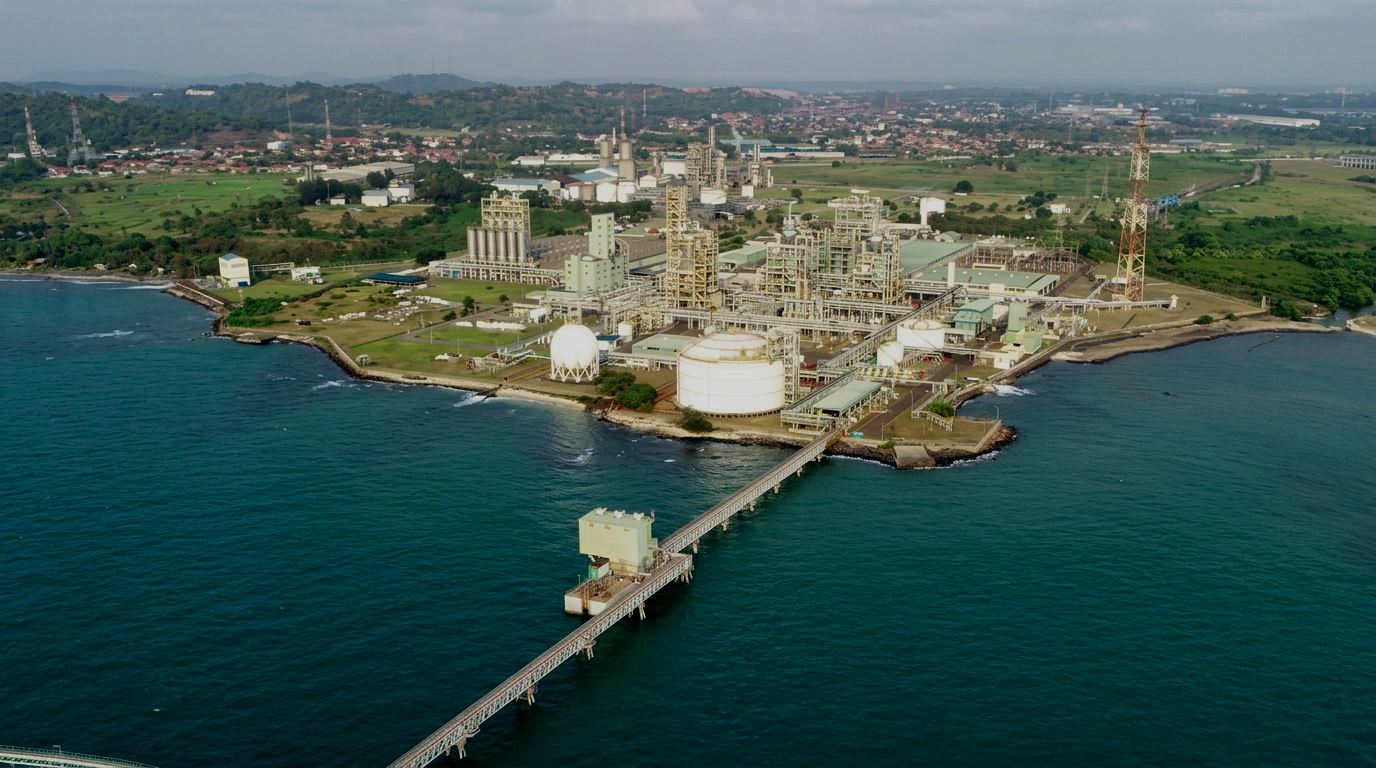
LCI Cilegon facility | Credit: Lotte Chemical Titan Holding / The Edge TV Youtube video (Dec 13, 2025)
Market Insights | ppPLUS Intelligence Series • Refining & Petrochemicals | May 2026
LCI Cilegon in the Context of the Hormuz Crisis
In March 2026, Lotte Chemical, together with LCI and Lotte Chemical Titan Holding (LCTH, Malaysia), sent customer notifications flagging potential force majeure and reduced supply volumes, citing "objective difficulty" in meeting contractual commitments due to feedstock disruption. This came barely four months after the plant's commercial startup in October 2025.
Asian steam crackers source more than 60% of their naphtha from the Middle East, and South Korea — the parent company's home country — obtains 54% of its naphtha supply via the Strait of Hormuz. LCI's Cilegon cracker, designed to run on Middle Eastern naphtha as its primary feedstock, was immediately vulnerable.
In a highly significant move, LCTH signed a $25.3 million (RM103.7 million) related-party naphtha sale contract from its Malaysian subsidiary Lotte Chemical Titan (M) (LCTM) to LCI, announced on 20 April 2026. Key facts:
| • The naphtha being transferred from Pasir Gudang consists of Malaysian pre-war stockpiles procured before 28 February 2026. • This transaction represents 1.1% of LCTH's audited net assets, indicating a material but manageable emergency measure. • The Malaysian stockpiles are projected to support LCI's downstream polymer production only through May 2026, after which a force majeure declaration becomes a high probability if alternative supply routes remain unviable. |
Broader Industry Context for Indonesia
Indonesia's Chandra Asri facility in Ciwandan— the only other major cracker in Indonesia — declared force majeure on all contracts in early March 2026, underscoring the severity of the regional feedstock shortage. LCI's cracker, being the newest and largest in Southeast Asia, faces the same structural vulnerability.
LCI's Feedstock Flexibility as a Partial Mitigant
One structural advantage LCI has is the cracker's designed feedstock flexibility: it was built to substitute up to 50% of naphtha with LPG or ethane. This provides a partial buffer, as both alternative feedstock materials can potentially be sourced from non-Middle Eastern origins such as the US, Australia, or North Africa. However, freight premiums for alternative supplies have surged dramatically.
PP and Downstream Units: Collateral Impact
The middle distillate and polyolefin downstream markets have been severely disrupted globally. As Middle East polyethylene (PE) and polypropylene (PP) plants have announced force majeure declarations and shutdowns, European PP and PE prices are surging as markets seek replacement volumes. LCI's PP unit (350 kt/y), its downstream ethylene supply agreements — including the 150 kt/y contract with Asahimas — and the critical pipeline supply of 450 kt/y of ethylene to its subsidiary PT Lotte Chemical Titan Nusantara (LCTN) in Merak, are all at risk of interruption if the cracker cannot source adequate naphtha.
Summary of LCI's Exposure and Mitigants
| Factor | Status |
|---|---|
| Naphtha feedstock origin | Primarily Middle East; Hormuz-dependent |
| Force majeure warning issued | Yes — March 2026 |
| Emergency intra-group naphtha transfer | $25.3M from Malaysia to LCI — April 2026 |
| Malaysian stockpile runway | Through ~May 2026 only |
| Feedstock flexibility (LPG/ethane) | Up to 50% substitution possible |
| Alternative supply sourcing | North America, South Asia being explored |
| Downstream supply risks | °Asahimas 150 kt/y ethylene contract °LCTN Merak 450 kt/y ethylene supply |
The LCI complex, despite being a major strategic asset inaugurated to reduce Indonesia's dependence on petrochemical imports, now ironically faces an acute feedstock import crisis of its own — one that could force production curtailments or halts if the Strait of Hormuz remains closed into June 2026 and beyond.
Editorial Note: The assessment draws on reporting and data from Reuters, MarketWatch, OPIS, The Star, Commoplast, ICIS, ResourceWise, the New York Times, Portfolio Planning Plus, Oil & Gas Journal, Hydrocarbon Processing, Chemical Engineering Online, PT Lotte Chemical Indonesia's official brochure and ESIA document, and Lotte Chemical Titan Holding investor communications.
#lottechemical #indonesia #line #cilegon #hormuzcrisis #middleeastconflict #naphthacracker #mixedfeedcracker #asahimas #chandraasri