ppPLUS use cookies essential for this site to function well.
Learn about our use of cookies, and collaboration with selected social media and trusted analytics partners here.
Technologies are key to understanding the global Refining- and Chemicals operations.
ppPLUS has made a point from the design of its data-structure to model processes and operations,
based on their technolgies.
From Feedstock processing to recycling, ppPLUS is mapping out the whole process and value chain looking
at Technology specifics, the technology providers and the global deployment.
Join us to add, evaluate and complement the global picture of technology application in the industry.
Solution-Reference: #TT64
ppPLUS Solutions - Expert Services
Enquire with us for information on the technology, processes and where it is deployed.
ppPLUS Experts cover a range of expertise providing insights for your enquiries
Explore ppPLUS Solutions for expert services
or monetize your own expertise
Ethylene Oxide reacts exothermically with 20-30% Aqueous Ammonia at 60-150°C and 30-150 bar to form a Mixture of the three theoretically possible Ethanolamines with high selectivity:
C2H4(O) + NH3 ? H2NC2H4OH + HN(C2H4OH)2 + N(C2H4OH)3
The composition of the Reaction Product can be influenced by Temperature and Pressure, but is especially sensitive to the ratio of NH3 to Ethylene Oxide; the greater the excess of NH3, the higher the Monoethanolamine Content:
??Mol ratio NH3/EO = 10:1 - Selectivity 75% MEA | 21% DEA | 4% TEA
??Mol ratio NH3/EO = 1:1 - Selectivity 12% MEA | 23% DEA | 65% TEA
The high TEA content resulting from an equimolar Mixture of Reactants indicates that the primary Reaction with NH3 is slower than the secondary Reaction. Ethoxylated By-products can also result from the reaction between Ethylene Oxide and the OH Groups of Triethanolamine.
We operate the only free, open-access platform dedicated to mapping the Energy and Petrochemicals industry.
Our mission: to create a holistic, integrated, and complete picture of the sector, its assets, processes, and players.
Community
This ambitious project thrives on community contributions.
Join our Expert-Community and benefit by bringing content to the platform.
Discover our flexible tools to adding your Insights to Technologies, Companies and industry trends.
Contribute and Support
If you believe in transparency, collaboration, and accessible knowledge.
With your payment you support the content contributors and the platform.
Every contribution fuels the development of this unique platform and will be shared between the Content-Authors and the platform.
Share your insights with the community
ppPLUS Communicator
Add company news, business events,
operational updates, etc
Collaborator Assigned with registration
Data Modelling
Update Descriptions of Companies, Technologies, Products...
Model Mass Balances and visualize Processes
Create Indicators and much more
Modeler
Insights
Create your own Expert-Profile
Publish comprehensive insights, new articles
Create ppPLUS Solutions Services (See Solutions)
Modeler with Expert-Status
Go here
if you haven't registered yet and we will contact you.
For any questions email us.
Earn Appreciation Directly From Your Audience
Earn Appreciation Directly From Your Audience
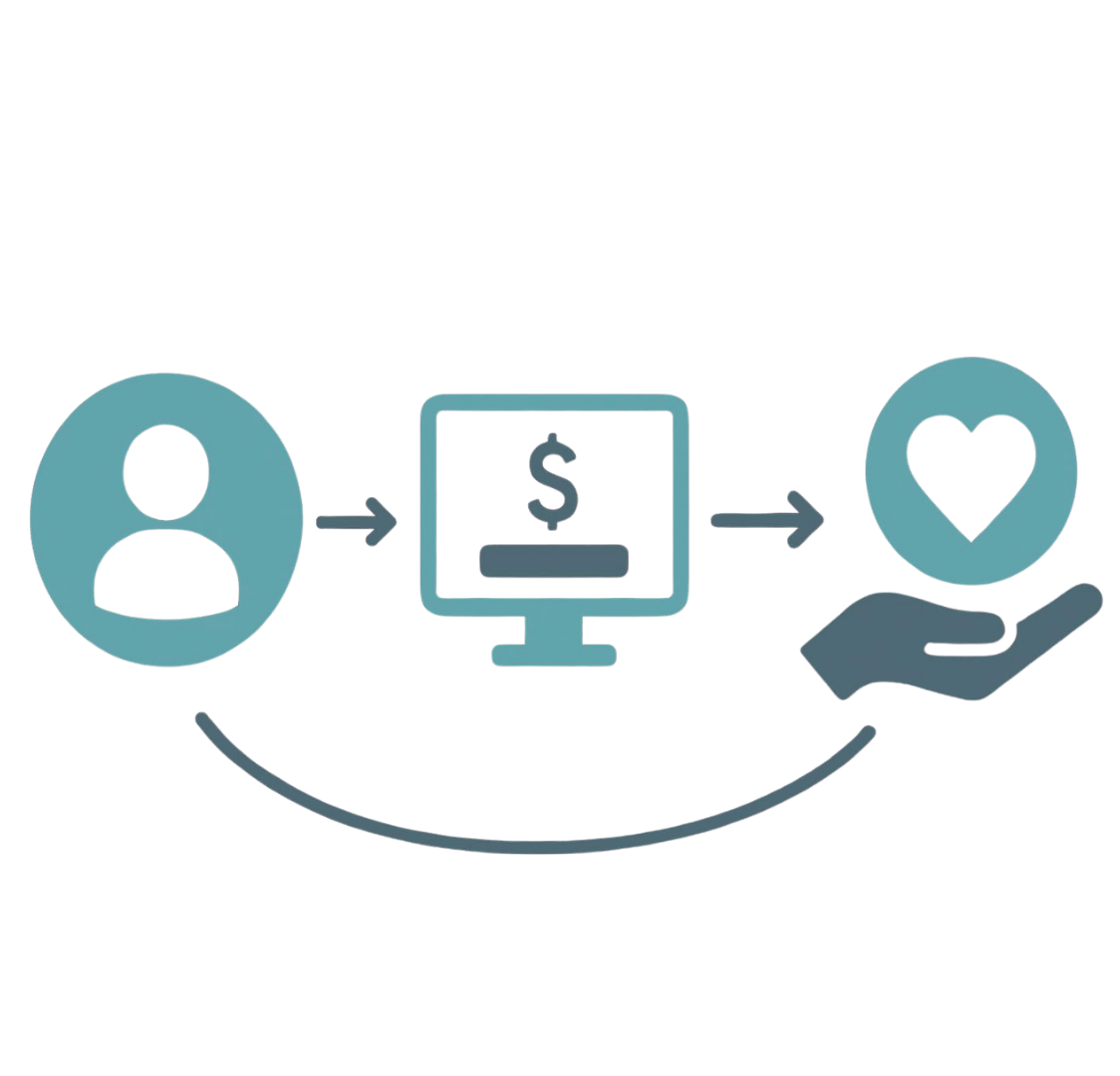
With the ppPLUS Donation Feature, your readers can show their appreciation by contributing a small monetary “thank you” for the insights you share. It’s a simple, transparent way to reward your expertise and support your work.
Readers can make voluntary Donations on your content.
You receive 80% of every contribution.
ppPLUS retains 20% to support platform operations and continuous improvement.
Your earnings are collected and paid out to you within 30 days.
You stay in control
Opt in whenever you’re ready.
Opt out at any time — no obligations, no lock‑ins.
Future updates to the program will always be communicated clearly.
Why Experts love it
It’s effortless: no setup, no maintenance.
It rewards quality and expertise.
It strengthens your connection with your audience.
It creates a new income stream without changing how you publish.
By selecting "Accept" you are accepting the Terms and Conditions for our Donation-Model.
An Email will be send to you asking for your Banking Details.
Share your insights
Open
We operate the only free, open-access platform dedicated to mapping the Energy and Petrochemicals industry.
Our mission: to create a holistic, integrated, and complete picture of the sector, its assets, processes, and players.
Community
This ambitious project thrives on community contributions.
Join our Expert-Community and benefit by bringing content to the platform.
Discover our flexible tools to adding your Insights to Technologies, Companies and industry trends.
Contribute and Support
If you believe in transparency, collaboration, and accessible knowledge.
With your payment you support the content contributors and the platform.
Every contribution fuels the development of this unique platform and will be shared between the Content-Authors and the platform.
Advertise with us
The platform where industry experts meet
Advertise where the industry actually gathers — thousands of specialists, operators,
and consultants use ppPLUS every day to research, analyse, and connect.
Link your brand directly to technologies, assets, and operators
Place your message right next to the objects professionals work with — from technologies to value‑chain assets
— and reach users at the exact moment they explore your domain.
Configure your advert and campaign together with us
Shape a tailored campaign with our team — from messaging to placement —
ensuring your brand reaches the right audience with maximum relevance and impact.