
Product
First-Generation Bioethanol
Names
Ethyl Alcohol; Alcohol; Bioethanol
Insight Articles
#PS723
Main Product
Bioethanol
Segment
Animal and Vegetal Products
Main-Family
Carbohydrates
Sub-Family
Biofermented Carbohydrates
Physical State

Liquid

Description

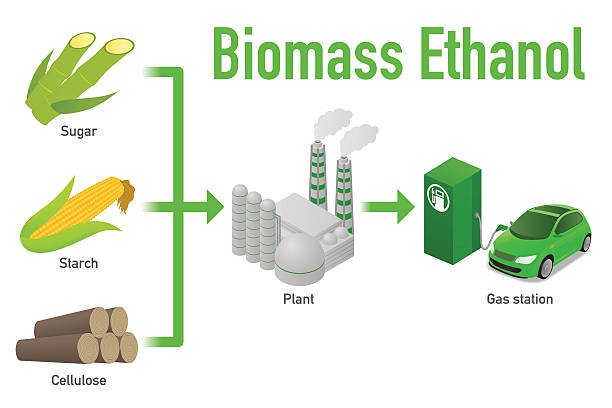
First-generation bioethanol is ethanol fuel produced from food crops that contain readily fermentable sugars or starches. These feedstocks include sugar crops such as sugarcane and sugar beets, and starch crops such as corn, wheat, barley, potatoes, and cassava.

Production Process

First-generation bioethanol is produced through fermentation processes that convert sugars and starches into liquid fuel. For sugar crops like sugarcane, the sugars are directly extracted and fermented into ethanol using yeast such as Saccharomyces cerevisiae. For starch crops like corn, an additional enzymatic hydrolysis step is required to first convert the starch into fermentable sugars before fermentation can occur.

Characteristics

First-generation bioethanol technologies are well-established and commercially mature, with corn ethanol in the United States and sugarcane ethanol in Brazil being the most common examples. These biofuels are also referred to as "conventional" biofuels and currently represent the primary type of bioethanol produced globally.

Challenges

The main challenges associated with first-generation bioethanol include the "food versus fuel" debate, where using food crops for biofuel production raises concerns about food security and impacts on food prices. Additionally, first-generation bioethanol faces higher feedstock costs compared to alternative generations, and its reliance on arable land can lead to deforestation and biodiversity loss.


References

  1. LEC Partners. First Generation and Second Generation Biofuels (Feb 6, 20021)
  2. López R. Understanding first, second, third, and fourth generation biofuels (Mar 17, 2024). JORD
  3. Nagler A. & Gerace S.. B-1360.3: First and Second Generation Biofuels - What’s the Difference (Apr 2020). Wyoxtension
  4. Jain, S. & Kumar, S.. A comprehensive review of bioethanol production from diverse feedstocks: Current advancements and economic perspectives. Energy, 296, 131130. DOI: 10.1016/j.energy.2024.131130
  5. Sustainability Directory. What Are the Primary Feedstocks for First-Generation Biofuels and Their Conversion Processes? (Nov 20, 2025)
  6. Lee R.A. & Lavoie J.-M., From first- to third-generation biofuels: Challenges of producing a commodity from a biomass of increasing complexity. Animal Frontiers, 3(2): pp 6–11. DOI: 10.2527/af.2013-0010
  7. Wisdom Library. Significance of First generation feedstock (Dec 11, 2025)

Insight Articles
Your insights will be shown here

First-Generation Bioethanol is obtained from sugar and starches | Credit: iStock by Getty Images
Identifiers

logo CAS Number
64-17-5
logo EC Number
200-578-6
logo ECHA InfoCard
100.000.526
logo IUPAC Name
Ethanol
logo PubChem ID
702
Chemical Data

Chemical Formula

C2H60

Molecular Weight (g/mol)
46.069
Boiling Point (°C)
78.23
Melting Point (°C)
-114.14
Sulfur Content (wt%)
0
Specific Gravity
0.78
Crude Data

API Gravity
48.87
Country
Product Settings

Default
Status
A
Content provided by
Transaction Name Date
Modified by UserPic   Kokel, Nicolas 2/8/2026 5:47 AM
Added by UserPic   Kokel, Nicolas 2/8/2026 5:16 AM