
Product
Coking Coal
Names
Metallurgical Coal; Met Coal
Insight Articles
#PS314
Main Product
Coal
Segment
Extractive Industry Products
Main-Family
Fossil Hydrocarbons
Sub-Family
Solid Feedstock
Physical State

Solid

Description

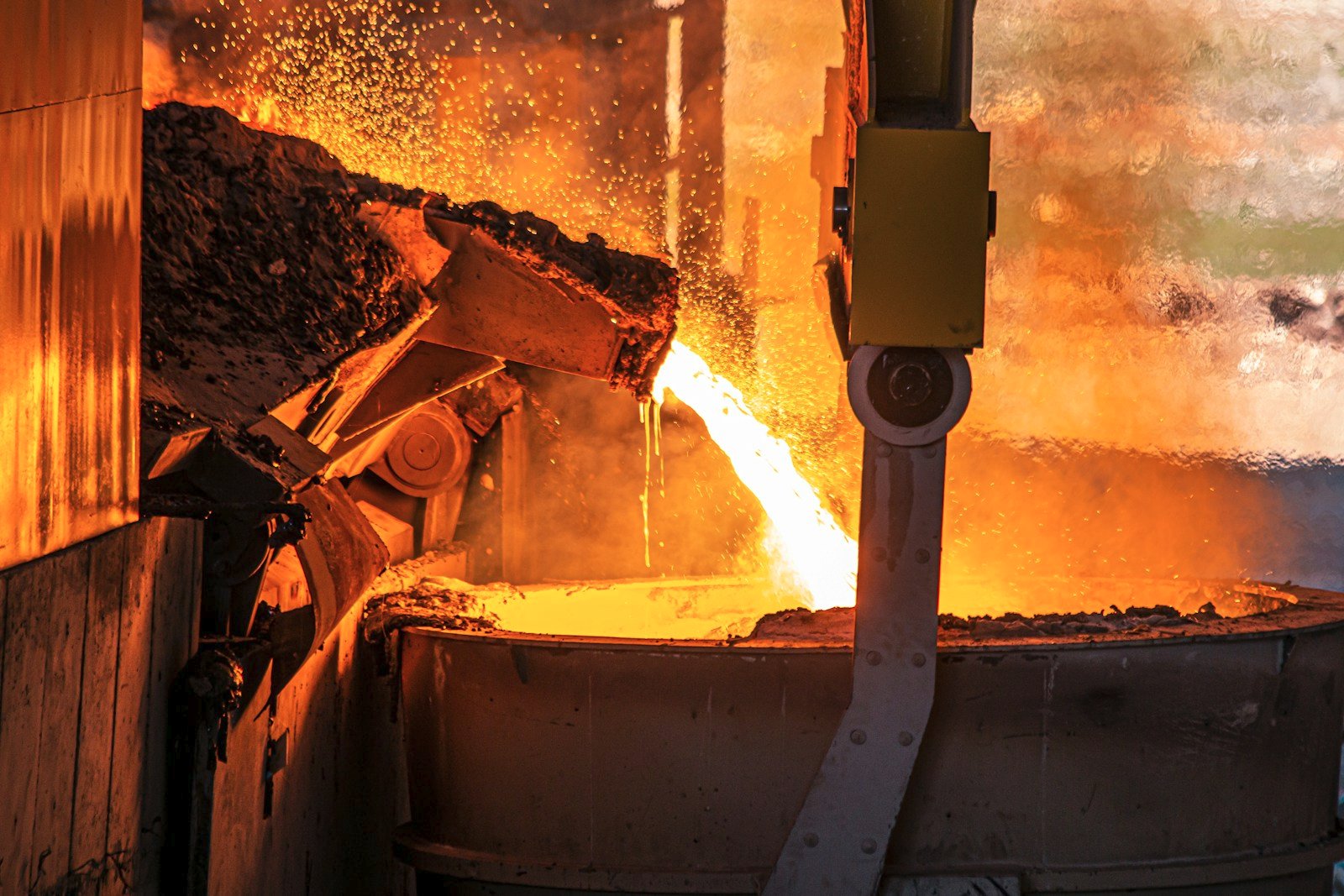
Coking coal, also called metallurgical coal or met coal, is a specialized grade of coal that can be converted into metallurgical coke for primary steelmaking via the blast furnace route. The defining characteristic is its caking ability—when heated to 350-550°C in a low-oxygen environment, coking coal softens into a plastic state, swells, and then resolidifies into a strong, porous, coherent mass of coke.

Chemical and Physical Properties

Coking coal is typically high-rank bituminous coal with low ash content (1-10%), low moisture (maximum 10%), and low impurities including sulfur, phosphorus, and alkalis (sodium, potassium), which can adversely affect steel quality. The coal contains moderate volatile matter (18-45%) with a favorable balance of reactive components (vitrinite) and inert components (inertinite). Some grades of anthracite are also used for specific metallurgical applications including sintering, pulverized coal injection, and ferro-alloy production.

Role in Steelmaking

When converted to coke, this material serves three critical functions in the blast furnace:

  • Fuel source: Burns at extremely high temperatures to melt iron ore
  • Reducing agent: Removes oxygen from iron ore to produce metallic iron
  • Structural support: Provides a strong, porous bed that supports the weight of iron ore and flux while allowing hot reducing gases to pass through

The crushing strength and structural integrity of coke are particularly critical in modern large blast furnaces, where coke must support the ore burden without degradation.

Coal Types and Classification

Metallurgical coals are classified by coking strength and properties:

  • Hard Coking Coal (HCC): Highest caking ability, produces strongest coke
  • Medium Coking Coal (MCC): Moderate coking properties
  • Semi-Soft Coking Coal (SSCC): Lower coking strength, often blended with HCC
  • Pulverized Coal for Injection (PCI): Injected directly into blast furnaces as supplementary fuel and reductant

Coking ability is evaluated through laboratory tests measuring plastic layer thickness, maximum fluidity, free swelling index, and dilatation during heating. Approximately 780 kg of metallurgical coal is required to produce 1,000 kg of steel.

References

  1. Wikipedia, Metallurgical coal (page version: Dec 1, 2024)
  2. Science Direct. Coking Coal
  3. Jay Ganesh Minerals. Coking Coal vs Non-Coking Coal: Main Differences & Uses (Oct 2, 2025)
  4. Material Insights. Metallurgical Coal
  5. Kentucky Geological Survey, University of Kentucky. Metallurgical Coal
  6. Satyendra (Apr 5, 2013). Coking Coal. Ispat Guru
  7. Vedantu. Coking coal (Jan 6, 2022)
  8. SteelWatch. SteelWatch Explainer: Met coal, what it is and why it is a climate risk (Apr 23, 2025)

Insight Articles
Your insights will be shown here

Metallurgical coal https://ctiplusresources.com/about-metallurgical-coal/
  Product Communicator
Title Date
  UserPic Featured product: Coking coal 1/24/2026
Identifiers

No Identifiers defined

Chemical Data

Specific Gravity
1.00
Crude Data

API Gravity
10
Country
Product Settings

Default
Status
A
Content provided by
Transaction Name Date
Modified by UserPic   Kokel, Nicolas 1/23/2026 3:19 PM
Added by UserPic   Kokel, Nicolas 3/11/2022 7:58 AM