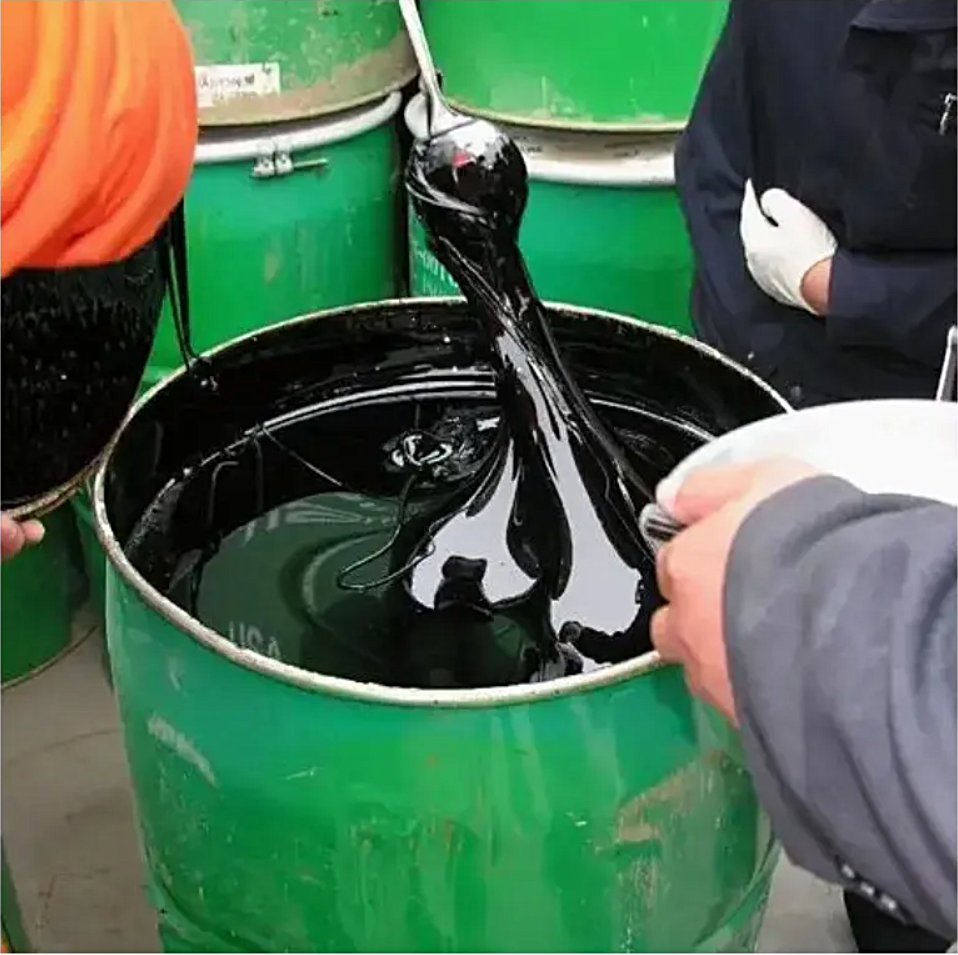
Tar is a dark brown or black viscous liquid composed of hydrocarbons and free carbon, obtained from a wide variety of organic materials through destructive distillation and other thermochemical processes that subject materials to intense heat. It can be produced from carbon-rich materials such as coal, wood, petroleum, peat, and other organic matter, as well as being formed as a byproduct in modern gasification and pyrolysis processes.
Production Methods and Origins
Traditional Tar Production
Coal Tar is produced from coal as a byproduct of coke production through thermal destruction (pyrolysis). It is a complex mixture of approximately 10,000 chemicals, of which only about 50% have been identified, with most being polycyclic aromatic hydrocarbons. Coal tar serves as the source of many fabrics, dyestuffs, and other useful industrial products.
Wood Tar comes in two varieties: hardwood tars derived from trees such as oak and beech, and resinous wood tars derived from pine wood. Resinous wood tars differ from hardwood tars because they contain turpentine, a pleasant-smelling mixture of terpenes. Much resinous wood tar is produced in Northern Europe, particularly in Sweden, Finland, and Russia, where it is known as Archangel or Stockholm tar.
Mineral Tar (Petroleum Tar) is derived from fossil hydrocarbons, particularly petroleum, through destructive distillation. This form is distinct from bitumen and finds applications in specialized industrial uses rather than the road paving industry.
Tar Formation in Thermochemical Processes
Gasification Tar is a persistent byproduct of gasification that evolves during the pyrolysis stage as primary oxygenates and then matures into aromatic hydrocarbons that react with other gases and moisture. Gasification converts carbonaceous feedstock into syngas, but tar—composed of higher molecular weight aromatic hydrocarbons—poses significant operational challenges. The type and amount of tar produced varies by gasifier design: updraft gasifiers produce largely primary tar with some secondary character; downdraft gasifiers produce almost exclusively tertiary tar; and fluidized bed gasifiers produce a mixture of secondary and tertiary tars.
Pyrolysis Tar forms during thermal decomposition of organic materials in the absence of oxygen, with gas phase components playing crucial roles in tar cracking reactions. Water vapor and carbon dioxide increase the tar decomposition rate, whereas hydrogen decreases it.
In modern gasification and pyrolysis operations, tar management is critical, with strategies categorized as primary methods (tar removal within the gasifier through optimal operating parameters, gasifier design, and catalysts) and secondary methods (tar extraction after gasification through thermal or catalytic cracking, or mechanical approaches like cyclones and electrostatic filters).
Physical and Chemical Characteristics
The characteristics of tar vary significantly based on its origin—pine tree resin produces a different type than what results from burning bituminous coal or gasifying biomass. Some tars are thick and viscous while others may be more fluid. Wood tar begins to melt at 140°F (60°C), while petroleum pyrolysis tar has a melting temperature range of 120-150°C.
The general density of tar is approximately 1,050-1,150 kg/m³ (1.05-1.15 g/cm³), whereas coal tar density is mentioned to be specifically 1,180-1,230 kg/m³ (1.18-1.23 g/cm³), with pharmaceutical formulations noting 1.15 g/cm³.
The mechanism of tar decomposition involves radical reactions, with radical formation being the rate-determining step. After radical formation, the composition of the gas phase determines the final products of tar decomposition.
Applications and Management
Tar's waterproof nature makes it valuable for sealing roofs, preserving wood, and coating surfaces due to its large creosote content. Historical uses of tar (particularly wood tar and coal tar) include waterproofing ships, protecting timber, and medical applications for treating skin conditions.
References
- Britannica Kids. tar
- Wikipedia. Tar
- Jayanarasimhan A. et al.. Tar Formation in Gasification Systems: A Holistic Review of Remediation Approaches and Removal Methods (Jan 4, 2024. ACS Omega. 9(2):2060-2079. DOI: 10.1021/acsomega.3c04425. PMID: 38250394; PMCID: PMC10795124
- Wikipedia. Coal tar
- Hebei Fengtaiyuan Energy Technology Co. LTD.. Tar, Coal Tar, Coal-Tar Pitch, Asphalt, and Petroleum – What’s the Difference for Your Road and Industrial Needs?
- explainlikeimfive (Eli5). what is tar and where does it come from or how is it made? (2022). reddit
- Milne T.A. et al.. National Renewable Energy Laboratory (NREL). NREL/TP-570-25357: Biomass Gasifier “Tars”: Their Nature, Formation, and Conversion (Nov 1998)
- Vreugdenhil B.J. & Zwart R.W.R.. Energy Research Centre of the Netherlands (ECN). ECN-E--08-087: Tar formation in pyrolysis and gasification (Jun 2009)
- Oreate AI Blog. Understanding Tar: Composition and Characteristics (Jan 15, 2026)
- Ziyadullayev, A. E. et al.. Technology of Petroleum Pyrolysis Tar Production: Challenges, Efficiency, and Future Innovative Directions. Development of Science 2, no. 8 (August 2025): 273-282. ISSN 3030-3907
- AVCalc LLC. Density of Tar (material)
- The Engineering ToolBox. Densities of selected solids
- Chemical Book. COAL TAR
- JCU Open eBooks. Coal-Tar-and-LPC-calculations (Jul 11, 2024). James Cook University, Australia
- Mangold L. MANGOLD Roofing. Guide to Roofing Tar And How To Apply It? (Jan 11, 2024)
- Font Palma, C.. Modelling of tar formation and evolution for biomass gasification: A review. Applied Energy 111 (2013): 129-141. DOI: 10.1016/j.apenergy.2013.04.082