Senegal's Second Refinery: Strategic Ambition Ahead of Financial Reality

- Site
- SAR Dakar Refinery
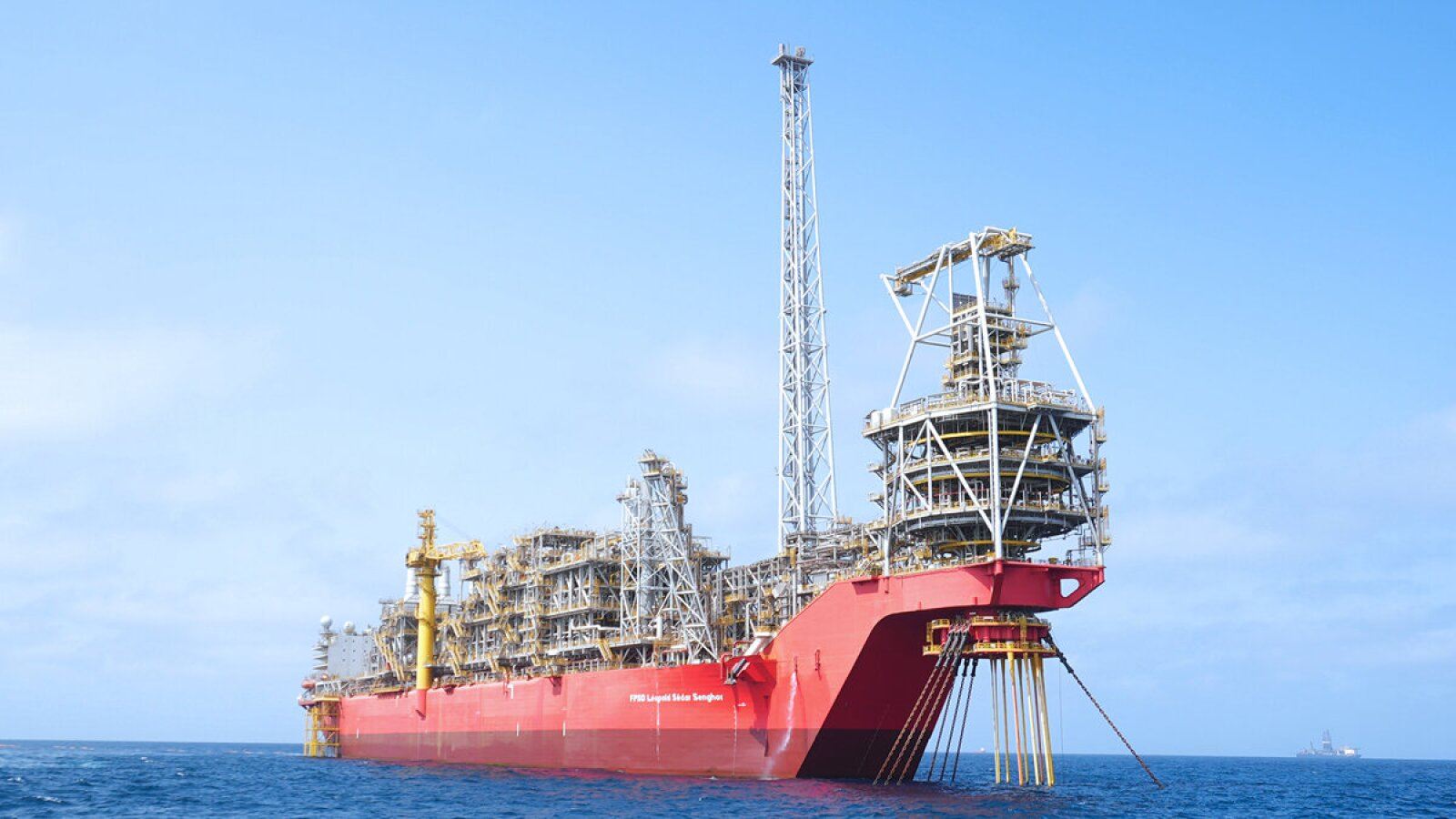
The FPSO Léopold Sédar Senghor, moored in 2,560-ft water depth offshore Senegal, has received first oil from the Sangomar project |
Source: MODEC, via Journal of Petroleum Technology (Jun 13, 2024)
Market Insights | ppPLUS Intelligence Series • Refining & Petrochemicals | May 2026
Context: The Existing SAR Platform
Senegal's sole operating refinery, the Société Africaine de Raffinage (SAR), has been in operation in Dakar since 1963. Over the decades, its capacity was progressively expanded from 600,000 t/y at start-up to its current 1.5 million tonnes per year (approximately 30,000 bpd) following a Preflash Unit addition during a regulatory shutdown in 2021. That modernisation program involved Technip Energies for key process modules. Despite these upgrades, the facility falls well short of covering Senegal's domestic petroleum demand, creating a persistent supply gap that forces the country to import refined products — even as it began exporting crude oil from the offshore Sangomar field in June 2024.
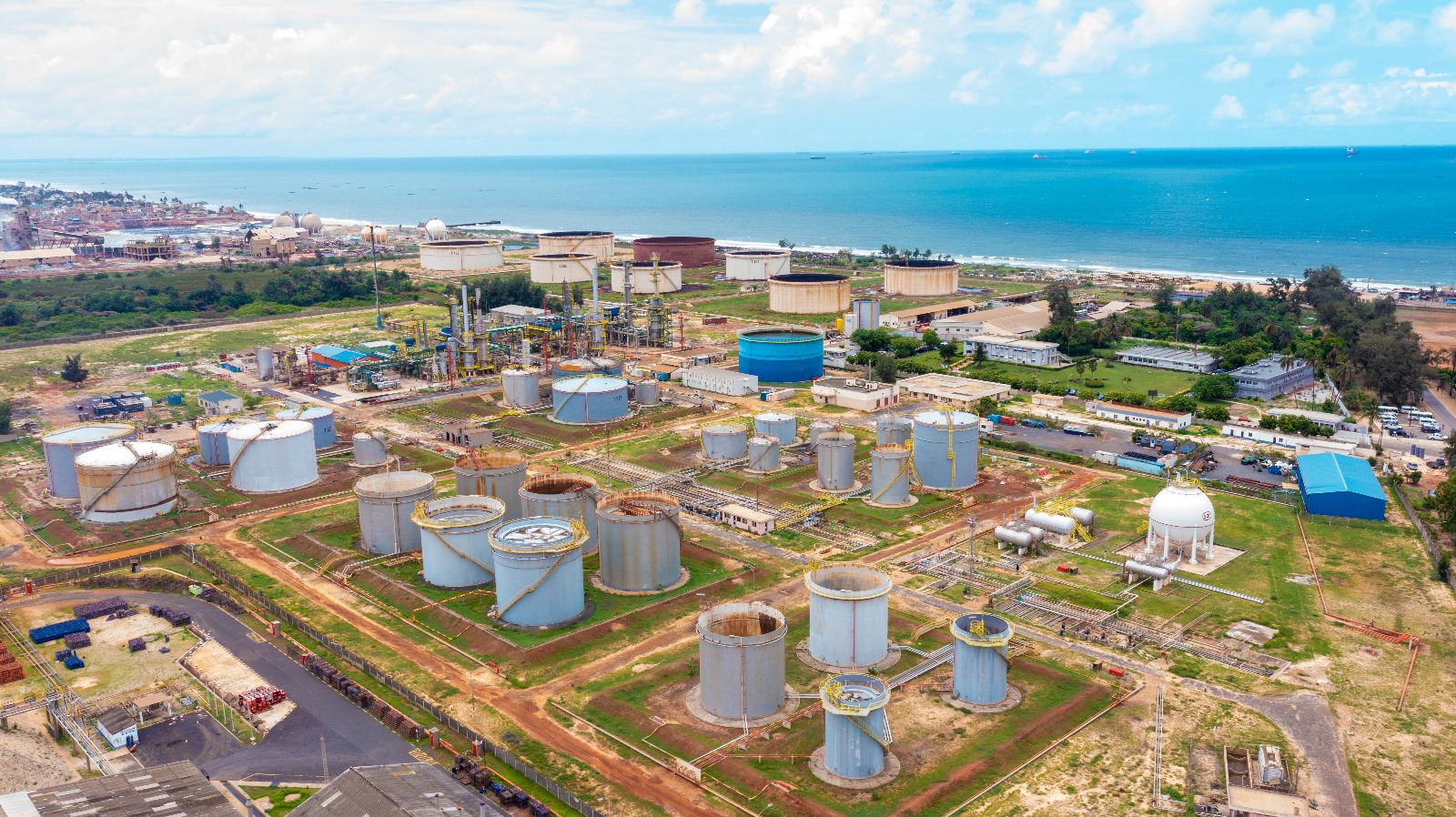
SAR refinery in Dakar as of Nov 2022 | Source SAR corporate website
The Paradox Driving SAR 2.0
Senegal sits in a structural contradiction typical of emerging oil producers: it exports crude while simultaneously importing fuel. The Sangomar field, operated by Woodside Energy (Australia) with Petrosen (the national NOC) as minority partner, produces approximately 4.6 million tonnes of crude per year. Only a fraction of this currently feeds the existing SAR refinery — confirmed in early 2025 after SAR completed its first domestic crude refining run. This strategic misalignment is the core justification for SAR 2.0.
Project Stage & Structure
As of May 2026, SAR 2.0 remains in pre-FID (Final Investment Decision) stage, with no construction started yet despite the initially stated 2026 target. The project is advancing toward a financing decision, with active talks ongoing with multilateral and bilateral partners. The structure under evaluation is a public-private partnership (PPP) model, though the government's equity participation remains undecided. SAR CEO Mamadou Abib Diop has driven the project's public articulation, announcing the initiative at the African Energy Week conference in Cape Town in October 2025.
Financing & Partners
SAR has received financing proposals from investors in China, Turkey, and South Korea. The African Export-Import Bank (Afreximbank) is also listed among the financing interlocutors being assessed. The PPP evaluation suggests the final structure could blend state ownership, foreign equity, and development finance — a pattern common in West African downstream infrastructure. No binding agreements with any financial party have been publicly confirmed as of the latest available reporting (April 2026).
ppPLUS Assessment
The SAR 2.0 project is real but not yet off the ground. The 2026 construction start appears very likely to slip: no site has been selected, no FID has been announced, government equity terms remain open, and no single lead investor has been publicly committed. The capacity figure of 4 Mt/y (~80,000 bpd) would represent a five-fold increase on current SAR throughput — an ambitious step for a first-time producer.
The Sangomar feedstock link is commercially logical but creates a dependency on a single offshore asset operated by a foreign major (Woodside), which introduces supply security risk. Competing West African dynamics — most notably the Dangote Refinery ramp-up in Nigeria — will pressure Senegal's export ambitions for refined products.
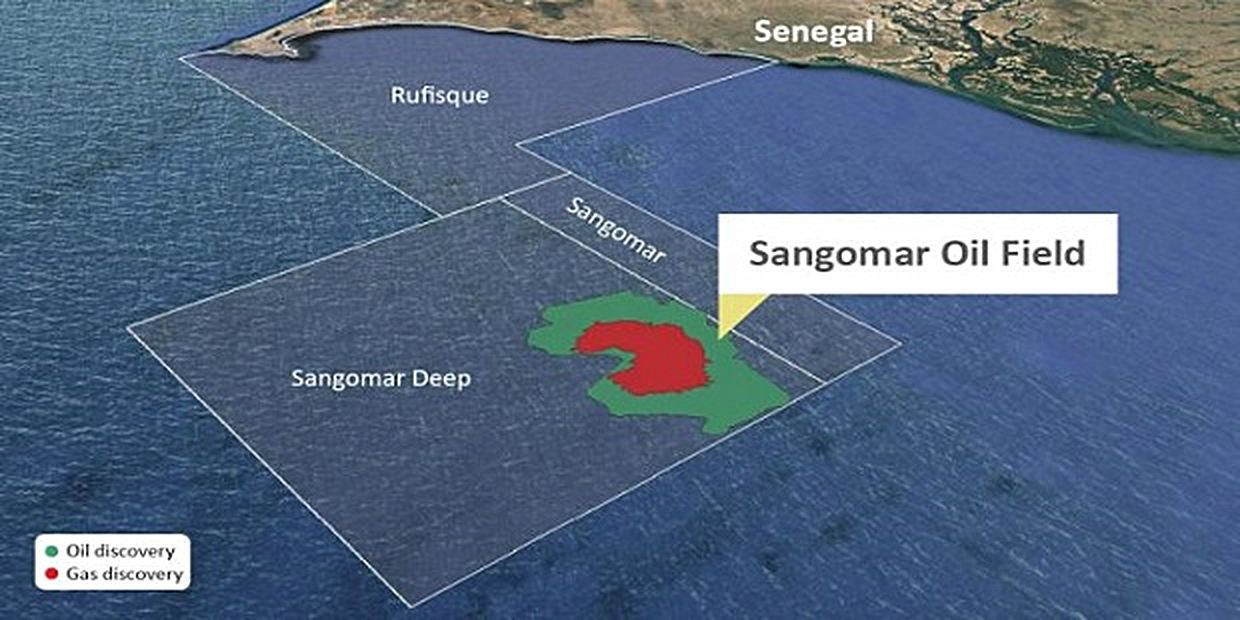
Sangomar oil field | Source: africa oil & gas report (Jul 19, 2023)
Realistically, if financing is locked in by end-2026, a 2029 commissioning would be extremely tight; 2030–2031 is a more credible operational window given the greenfield complexity and the $2–5 billion investment range uncertainty. The project is a strategic priority for the current Faye/Sonko government, which has made energy sovereignty a flagship policy platform, adding political momentum but also the risk of governance-driven delays.
Editorial Note: The analytical conclusions, assessments, and forward-looking judgements in this brief reflect the independent editorial position of ppPLUS Intelligence and are our own. Factual data and reported developments are sourced from publicly available industry and news sources, as listed below. This brief does not represent the views of any company, institution, or government mentioned herein.
Sources: This article draws on reporting and data from the following open sources: Reuters (2 October 2025), Hydrocarbon Processing (October 2025), the African Energy Council (3 October 2025), Baird Maritime (1 October 2025), Trends in Africa (2 October 2025), Energies Media (11 December 2025), Global Flow Control (7 October 2025), the North Africa Post (22 April 2026), MSGBC Oil, Gas & Power (24 March 2026), Africa Business Insider (2 October 2025), the Economic Times Energy (3 October 2025), Technip Energies project communications (June 2021), and the ppPLUS project database entry for the Dakar Refinery (last updated May 2026). Background context on SAR's operational history and Sangomar field production was drawn from ARDA Africa and InfraDialogue sector coverage.
#dakarrefinery #societaafricainederaffinage #sar2 #senegal #sangomarcrude #woodsideenergy #petrosen #technipenergies #prefid