Shell Renews Effort to Exit Germany's Schwedt Refinery Amid Prolonged Ownership Limbo

- Site
- PCK Schwedt Refinery
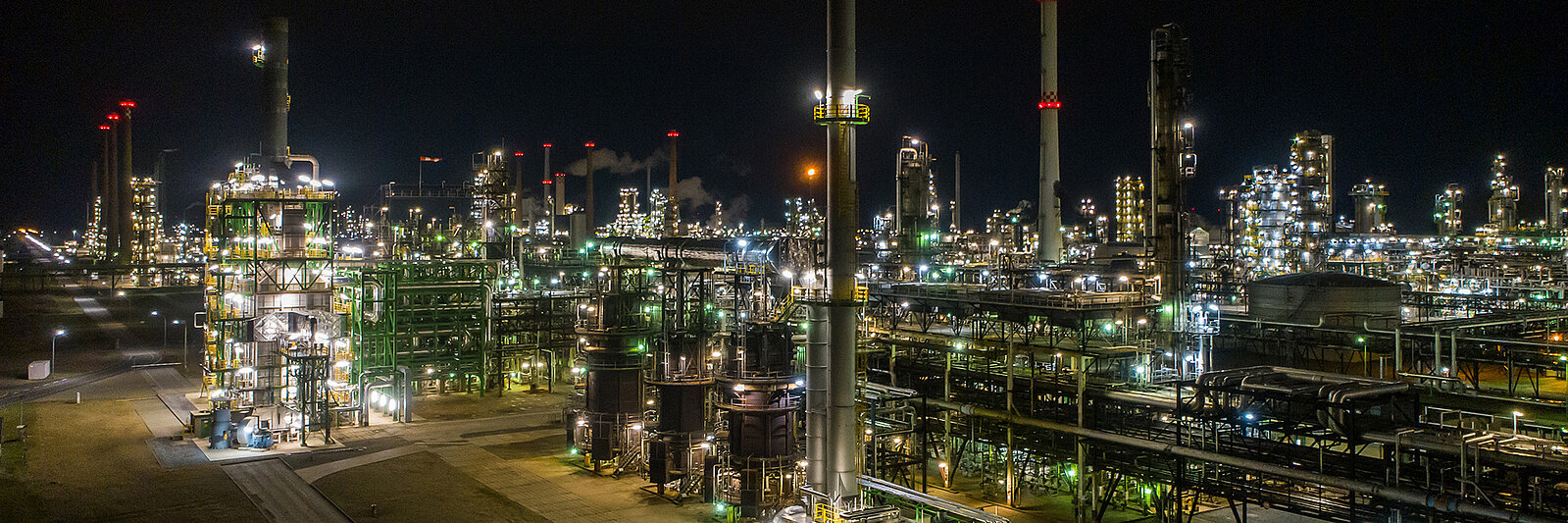
Schwedt Refinery Night View - Aromizer Overview.jpg | Credit: PCK
Shell has reopened the bidding process for its 37.5% stake in Germany's PCK Schwedt refinery, marking the latest chapter in a complex saga that has entangled the strategically important facility in Western sanctions, German energy security concerns, and protracted ownership disputes since Russia's military operation in Ukraine.
The Anglo-Dutch energy major opened a data room in December 2025 for prospective buyers and is seeking offers by the end of January, according to sources familiar with the matter. This represents Shell's second attempt in as many years to divest from the refinery after a previous sale to Britain's Prax Group failed to materialize in 2024.
Pre-Conflict Exit Attempts
Shell's exit strategy from Schwedt predates the Ukraine conflict. In July 2021, the company announced an agreement to sell its 37.5% shareholding to Alcmene GmbH, the Austrian subsidiary of Liwathon Group, a privately owned energy trader with terminal operations in Estonia and the Bahamas. That transaction, which also included inventory stored at the refinery, was subject to partner and regulatory approvals that were standard for such deals.
However, Russia's February 2022 military intervention in Ukraine and the subsequent severing of energy ties between Germany and Russia froze all negotiations relating to the refinery. The geopolitical upheaval transformed what had been a routine corporate divestment into a matter of national energy security.
Government Intervention and Trusteeship
In September 2022, the German government took the unprecedented step of placing Rosneft Deutschland GmbH and its subsidiary RN Refining & Marketing GmbH under fiduciary administration (trusteeship) by the Federal Network Agency. This action effectively stripped Russian state-controlled Rosneft of operational control over its 54.17% stake in PCK Schwedt, while leaving legal ownership unchanged.
The trusteeship arrangement was designed as a middle path between allowing Russian control of critical energy infrastructure and outright expropriation, which German officials feared could escalate the conflict with Moscow. Under this structure, Germany manages the refinery's operations while Rosneft retains paper ownership—a compromise that must be renewed every six months by government decree.
The trusteeship has now been extended six times, most recently in September 2025 until March 10, 2026. In October 2025, Germany secured a critical last-minute exemption from U.S. sanctions on Rosneft, allowing Schwedt to continue operating under license through the end of April 2026.
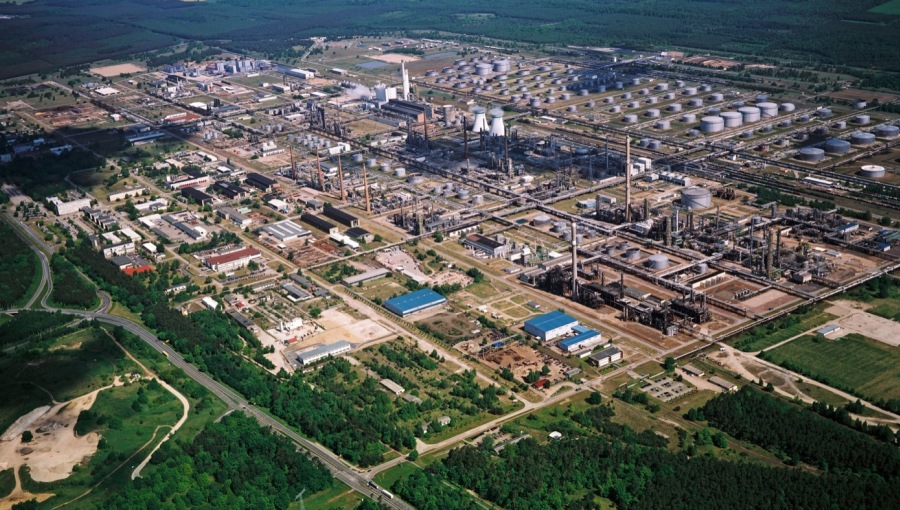
Schwedt oil refinery | Credit: Intellinews Pro (Mar 2022)
Operational Transformation
The refinery, which has capacity to process approximately 220,000 barrels of oil per day (11.48 million tonnes per year), historically received Russian Ural crude via the Soviet-era Druzhba pipeline and supplied more than 90% of Berlin's fuel requirements. Following the EU embargo on Russian oil that took effect in January 2023, PCK Schwedt had to completely restructure its crude supply chains.
The facility now operates at approximately 80% capacity, sourcing crude primarily from Kazakhstan via the Druzhba pipeline (which still transits through Russia), as well as seaborne imports through the German port of Rostock and the Polish port of Gdansk. Germany invested €400 million to upgrade pipeline infrastructure from Rostock to increase supply capacity to the refinery.
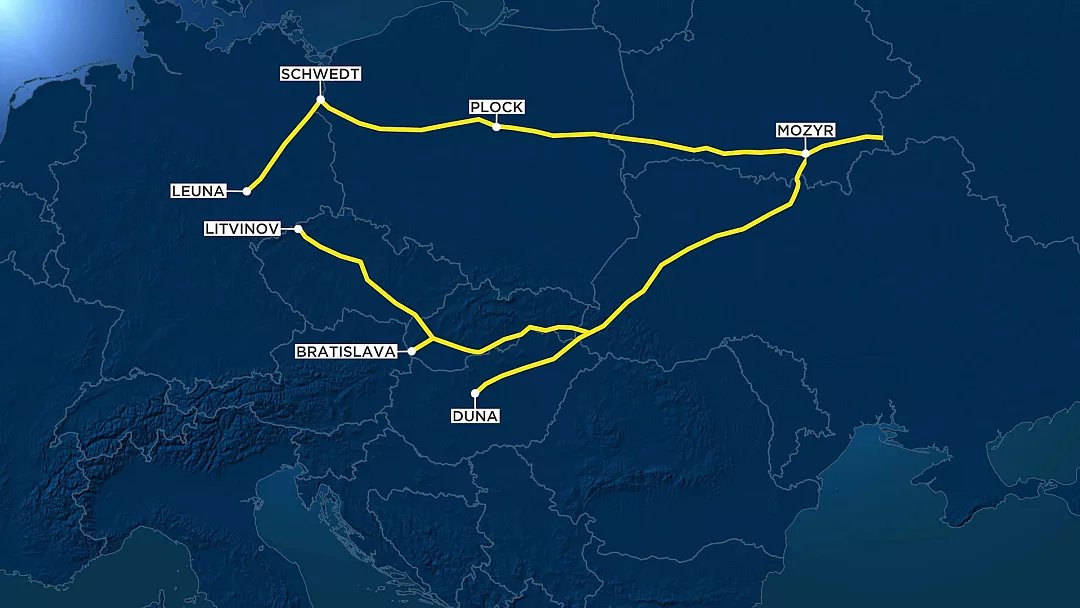
The Druzhba pipeline feeds directly into several oil refineries across the European Union | Credit: Euronews (May 31, 2022)
Current Ownership Structure and Sale Prospects
PCK Raffinerie GmbH's ownership remains divided among three shareholders: Rosneft Deutschland GmbH (37.5%, effective control suspended under trusteeship), Shell Deutschland GmbH (37.5%), and AET Raffineriebeteiligungs-Gesellschaft mbH (25%, jointly owned by RN Refining & Marketing GmbH and Eni Deutschland GmbH).
Among the parties expressing interest in Shell's stake is Liwathon Group, the same entity that had agreed to acquire it in 2021. Tibor Fedke, a partner at German law firm Noerr who regularly advises Liwathon, confirmed that the company's interest in German investments "includes, among other things, a possible investment in PCK Schwedt, but is not limited to this".
Meanwhile, negotiations for the sale of Rosneft's much larger 54.17% stake have proven fruitless despite reported discussions with potential buyers including Qatar. The uncertain ownership situation and the need for repeated six-month trusteeship extensions have created a challenging environment for prospective investors, with some reportedly deterred by the legal and regulatory complexities.
The situation has also sparked political tensions within Germany, with some politicians—including AfD members and certain mainstream leaders—calling for lifting sanctions on Russia to restore direct crude supply via Druzhba and resolve the refinery's operational challenges. However, the German government has maintained its commitment to the sanctions regime while working to secure alternative supply arrangements and find a long-term ownership solution for this strategically vital facility.
Note: This article drew upon multiple sources including Hydrocarbon Processing, Reuters, Tank Terminals, PCK Raffinerie official website, Rosneft Deutschland and Federal Network Agency documentation, NS Energy Business, Timesca, The Electricity Hub, Yahoo Finance UK, and Inspectioneering.
#rosneft #pckschwedt #schwedtrefinery #shell #eni #germany #druzhba #pipeline #russiancrude #urals