Braskem Triunfo: Pioneering Renewable and Circular Ethylene Production in Brazil

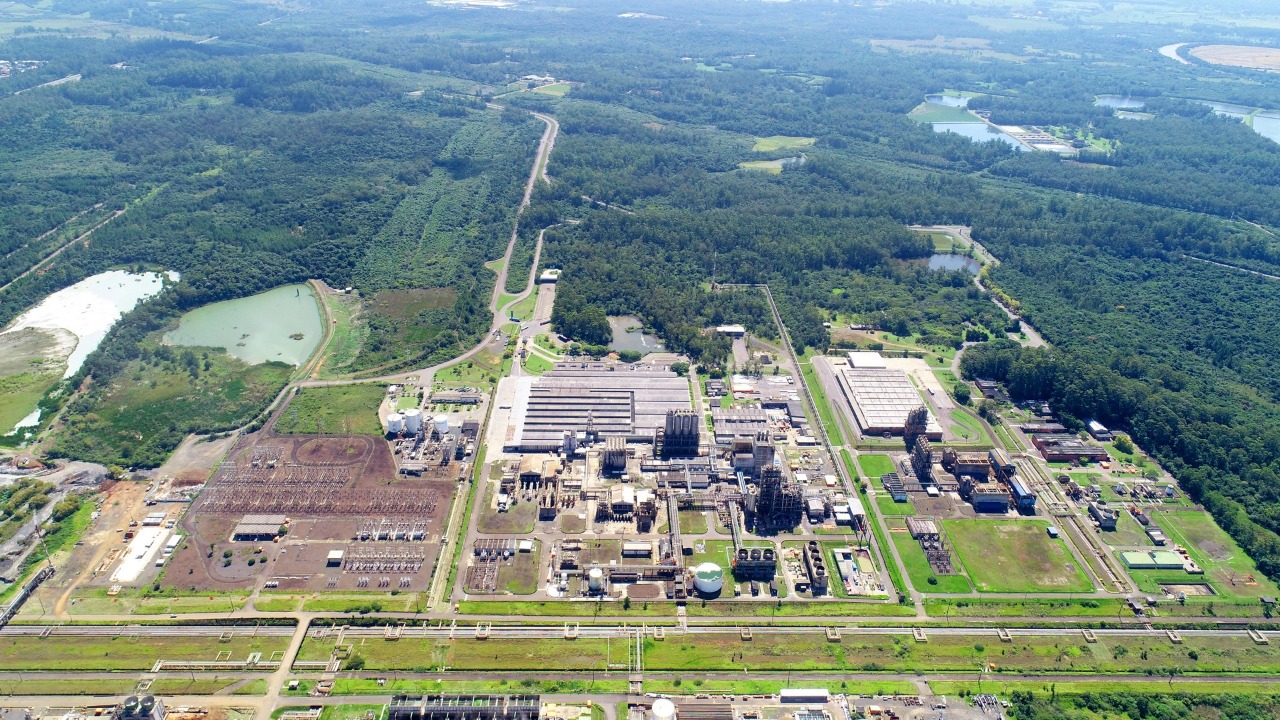
Article Image: Green belt surrounding Triunfo's Petrochemical Complex 2
BRK Green: Dedicated Bioethylene Production Facility
The BRK Green plant represents the world's first industrial-scale bioethylene production facility, commissioned in September 2010 with an initial capacity of 200,000 tonnes per year. Following a USD $87 million expansion completed in June 2025, the production capacity of the facility increased to 260,000 tonnes per year of polymer-grade ethylene from sugarcane-derived bioethanol using Braskem's proprietary EtE EverGreen™ technology. The plant achieved >99% ethanol conversion and >99% ethylene selectivity while operating above nameplate capacity during its first 15 years of continuous commercial operation.

Braskem's BRK Green Ethanol-to-Ethylene Plant at Triunfo RS, Brazil Facility | Credit: Case Story - uptime megazine (Jan 2013)
BRK Green holds both Bonsucro Mass Balance Chain of Custody certification (valid until February 2027) and ISCC PLUS certification (valid until July 2026) for converting sugarcane ethanol to bio-based ethylene [1]. Recent operational data indicates the facility operated at 71% utilization in Q2 2025 [2] (i.e. an actual production of 185,000 tonnes/year).
Unit Q2 Steam Cracker: Mass-Balanced Renewable and Circular Feedstocks
Triunfo's UNIB 2 steam cracker, with a conventional naphtha-based ethylene capacity of 1.252 million tonnes per year, has achieved both ISCC PLUS and Bonsucro certifications for processing sustainable feedstocks using mass balance methodology. The cracker became the first Brazilian petrochemical facility certified to integrate chemical recycling and bio-based feedstocks into conventional production.
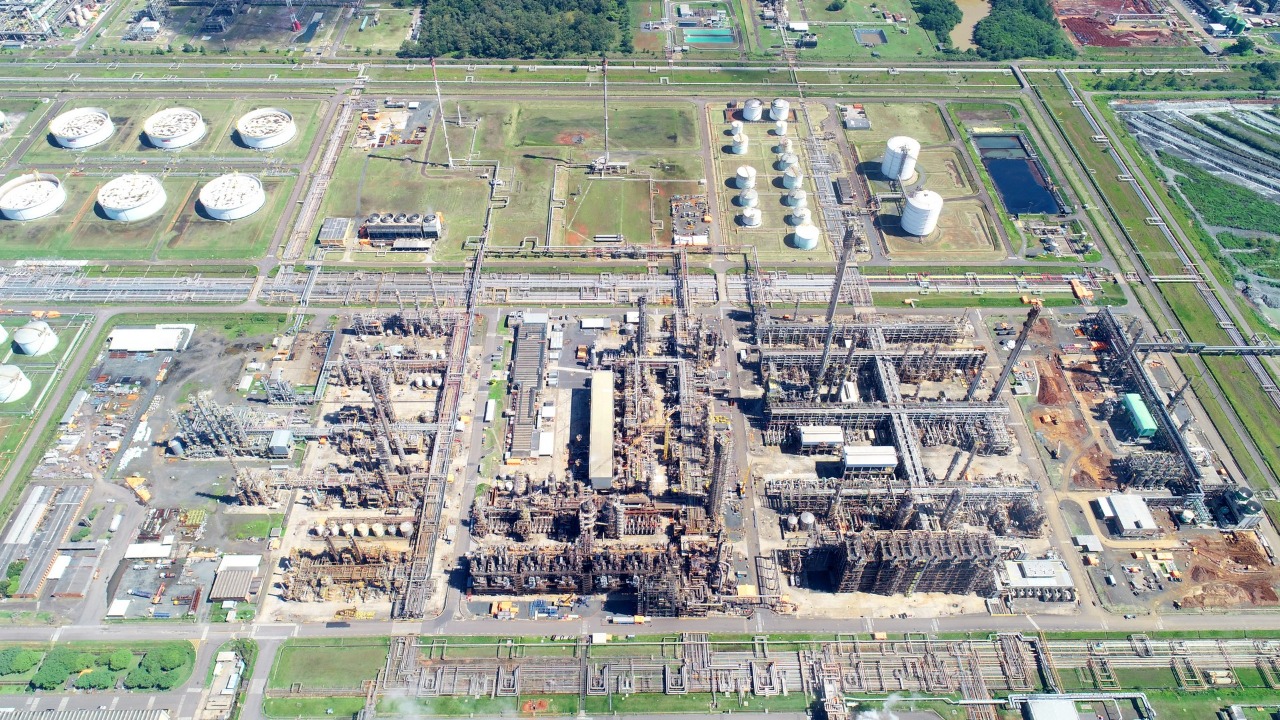
Featured: Aromatics and Olefins plant of the Chemicals Unit (Q 2 RS)
Certified Renewable and Circular Feedstock Categories
The UNIB 2 cracker's ISCC PLUS certification (valid until July 2026) authorizes processing of three distinct sustainable feedstock categories:
Bio-based feedstocks:
-
Ethanol derived from sugarcane (bio category under ISCC Principles 1-6 for sustainable biomass cultivation)
Bio-circular feedstocks:
-
Hydrotreated Vegetable Oil (HVO) meeting ISCC waste/residue definitions;
-
Naphtha derived from bio-circular sources (combination of bio and circular attributes)
Circular feedstocks:
-
Pyrolysis oil from mixed plastic waste / mixed waste plastic (post-consumer recycling material meeting ISCC circular raw material criteria)
These sustainable feedstocks can be co-processed with conventional naphtha to produce mass-balanced ethylene, propylene, benzene, butadiene, C4 fractions, mixed xylenes, toluene, and pygas with transferable sustainability attributes. The Bonsucro certification specifically covers production of ETBE (Ethyl-Tertio-Butyl-Ether) and green ethylene from sugarcane-derived ethanol.
Mass Balance Methodology and Production Volumes
The mass balance chain of custody system allows Braskem to allocate sustainability attributes to products without physical segregation of feedstock streams. However, neither the ISCC PLUS nor Bonsucro certifications disclose actual volumetric quantities or percentages of renewable feedstocks processed through the UNIB 2 cracker. The certificates authorize feedstock processing capabilities but do not mandate minimum volumes or require public disclosure of the proportion of sustainable versus conventional feedstocks utilized.

The Mass Balance Approach for Allocation of Renewable Feedstock used in Chemical Operations [3]
Market Position and Combined Production Capacity
The Triunfo complex accounts for approximately 40% of Brazil's polyethylene capacity (approximately 1.2 million tons per year) and 37% of Brazil's polypropylene capacity (approximately 740,000 tons per year). Renewable ethylene from both the dedicated BRK Green facility and the mass-balanced UNIB 2 cracker feeds multiple downstream polyethylene production units (PE 4, PE 5, PE 6) that manufacture LDPE, LLDPE, and HDPE with sustainability certifications. Braskem positions Triunfo as the world's largest producer of green polymers, though the specific proportion of renewable ethylene from the UNIB 2 cracker remains undisclosed.
References
All information details beyond those from the references here below are mentioned in the internal ppPLUS pages.
- Certificaciones (accessed Dec 15, 2025). Braskem Idesa
- Braskem Q2 2025 Earnings Report (Aug 7, 2025). MarketBeat
- The mass balance approach. International Sustainabiity & Carbon Certificaton (ISCC)
#massbalance #circularity #renewablefeedstock #circularity #brazil #braskem #triunfo #eteevergeen #alcoholdehydration #bioethanol #bionaphtha #chemicalrecycling