Libya's Oil Sector Surges Forward with New Discoveries and International Investment Revival


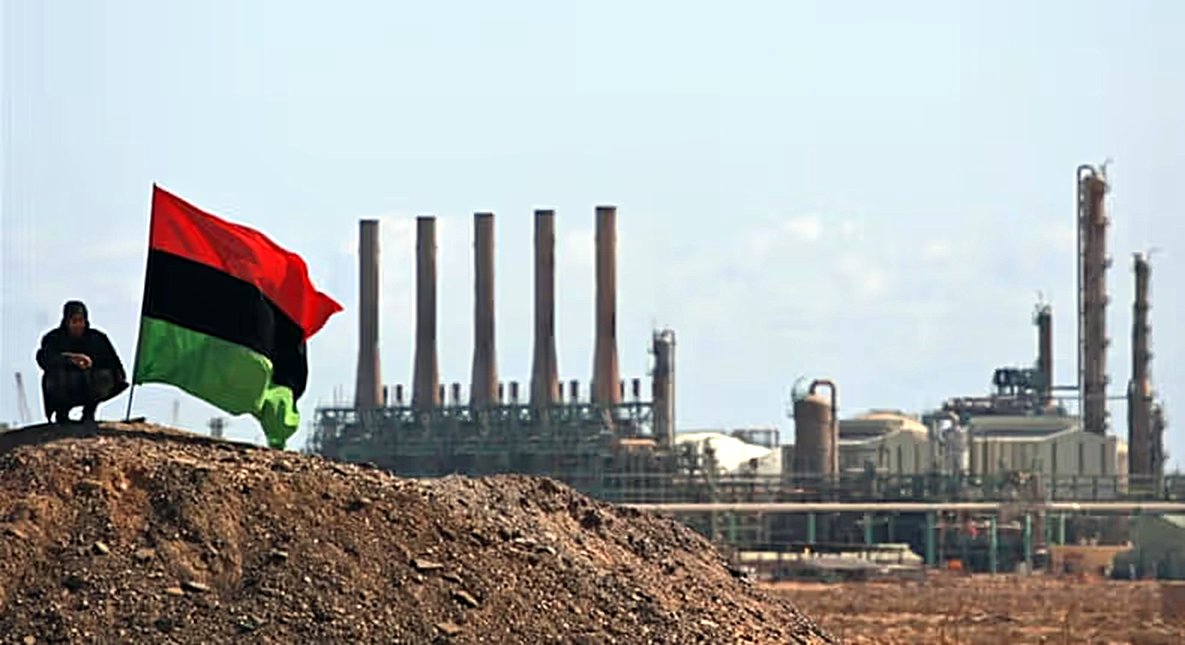
Africa’s second-largest oil producer uncovers new crude reserves amid surge in foreign interest
Ghadames Basin Discovery Demonstrates Domestic Capabilities
On November 4, 2025, NOC announced a substantial oil and gas discovery in the Ghadames Basin, located in northwestern Libya near the Algerian border. The find was made by the Arabian Gulf Oil Company (AGOCO), NOC's wholly-owned subsidiary and one of Libya's premier upstream operators, at exploratory well H1-NC4 on Block NC-4.
Initial production testing indicates the well is capable of producing approximately 4,675 barrels of crude oil per day alongside 2 million cubic feet of natural gas daily. The discovery, which reached a target depth of 11,700 feet, represents a 100% NOC-owned project executed entirely by Libyan technical teams without foreign partnership—a point of national pride for the corporation.
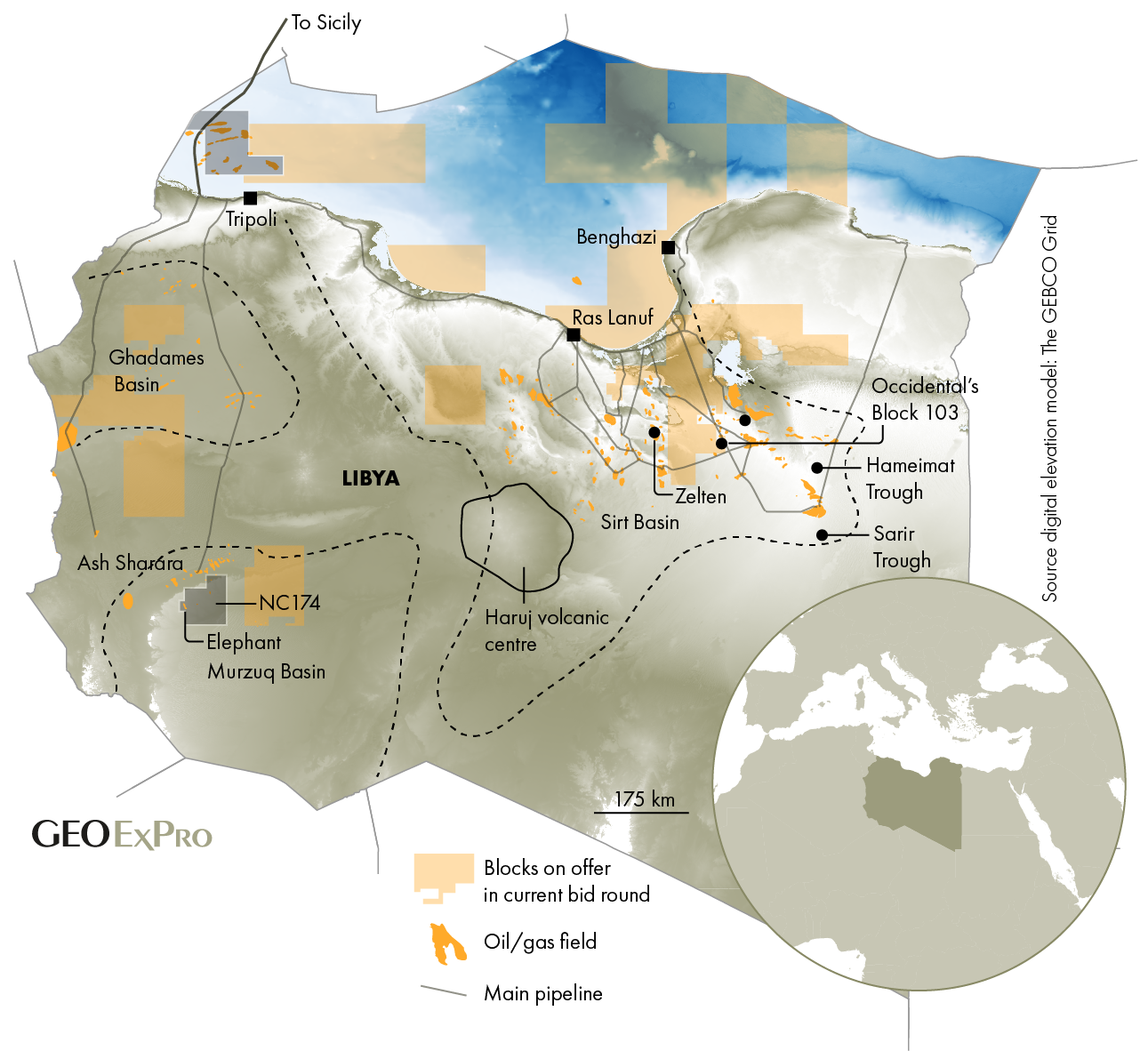
The Ghadames Basin represents a transboundary geological formation extending across Libya, Tunisia, and Algeria, characterized by favorable sedimentary layers for hydrocarbon accumulation. The region has historically yielded productive wells and remains one of Libya's most promising onshore oil provinces for future development.
Libya Digital Elevation Model | Credit: GEOExPro (Nov 4, 2025)
AGOCO, which operates eight major oil fields including the giant Sarir field with 4.8 billion barrels of proven reserves, reported that its total oil production had reached 310,000 barrels per day by the end of October 2025, according to company sources who spoke with Reuters. This steady recovery in output demonstrates AGOCO's operational resilience and technical expertise in bringing new discoveries online.
OMV Strikes Oil in Sirte Basin After 17-Year Hiatus
In a parallel development that underscores growing foreign confidence in Libya's stabilized security environment, Austrian energy group OMV announced its first oil discovery in the prolific Sirte Basin since signing an Exploration and Production Sharing Agreement (EPSA) with NOC in 2008.
The discovery at exploratory well B1 on Block 106/4, drilled to a depth of 10,476 feet in the 'Essar' prospect, is producing more than 4,200 barrels of oil per day with associated gas output exceeding 2.6 million cubic feet daily, according to NOC production test data. OMV estimates the prospect contains contingent recoverable volumes ranging between 15 and 42 million barrels of oil equivalent, though additional appraisal work will be required to confirm commercial
viability.
OMV's return to active exploration in Libya at the end of 2024—after withdrawing for more than a decade following the upheaval surrounding Muammar Gaddafi's overthrow—represents a significant vote of confidence in the country's improved operational environment. The Austrian firm's success on Block 106/4 validates NOC's strategy of maintaining relationships with international partners even during years when security concerns forced operational suspensions.
International Oil Majors Stage Coordinated Return
The OMV discovery is part of a broader pattern of international oil company re-engagement with Libya throughout 2024 and 2025. Several major players have resumed exploration activities or signed new agreements to assess Libya's hydrocarbon potential:
Sonatrach Resumes Ghadames Operations: Algeria's state energy firm Sonatrach resumed exploratory drilling in mid-October 2025 in contract areas 95/96 of the Ghadames Basin, approximately 100 kilometers from the Wafa field near the Libyan-Algerian border. "Sonatrach is back working at the site in the Ghadames Basin, after quitting more than 10 years ago due to unstable security situation at that time," NOC confirmed in an official statement.
BP and Shell Sign Assessment Agreements: In July 2025, NOC signed separate Memoranda of Understanding with BP and Shell to evaluate major oilfield redevelopment opportunities. BP's agreement focuses on assessing the giant Sarir and Messla onshore fields in the Sirte Basin, along with evaluating unconventional oil and gas potential in surrounding areas. Shell's agreement covers comprehensive technical and economic feasibility studies for the al-Atshan
field in the Illizi Basin near Algeria and other fully NOC-owned fields. BP has announced plans to reopen its Tripoli office by the fourth quarter of 2025 to oversee operations, marking the company's formal return after years of absence.
Eni Restarts Offshore Program: Italian energy major Eni, which has maintained a presence in Libya longer than most international operators, restarted offshore exploration activities in northwestern Libya after a hiatus exceeding five years, signaling confidence in maritime operations off Libya's coast.
ExxonMobil Secures Gas Exploration Rights: In August 2025, ExxonMobil secured rights to explore for natural gas off Libya's coast, with the company stating it looks forward to "workingwith the Libya National Oil Corporation to fully evaluate Libya's potential and leverage ExxonMobil's leading capabilities to jointly explore for new resources."
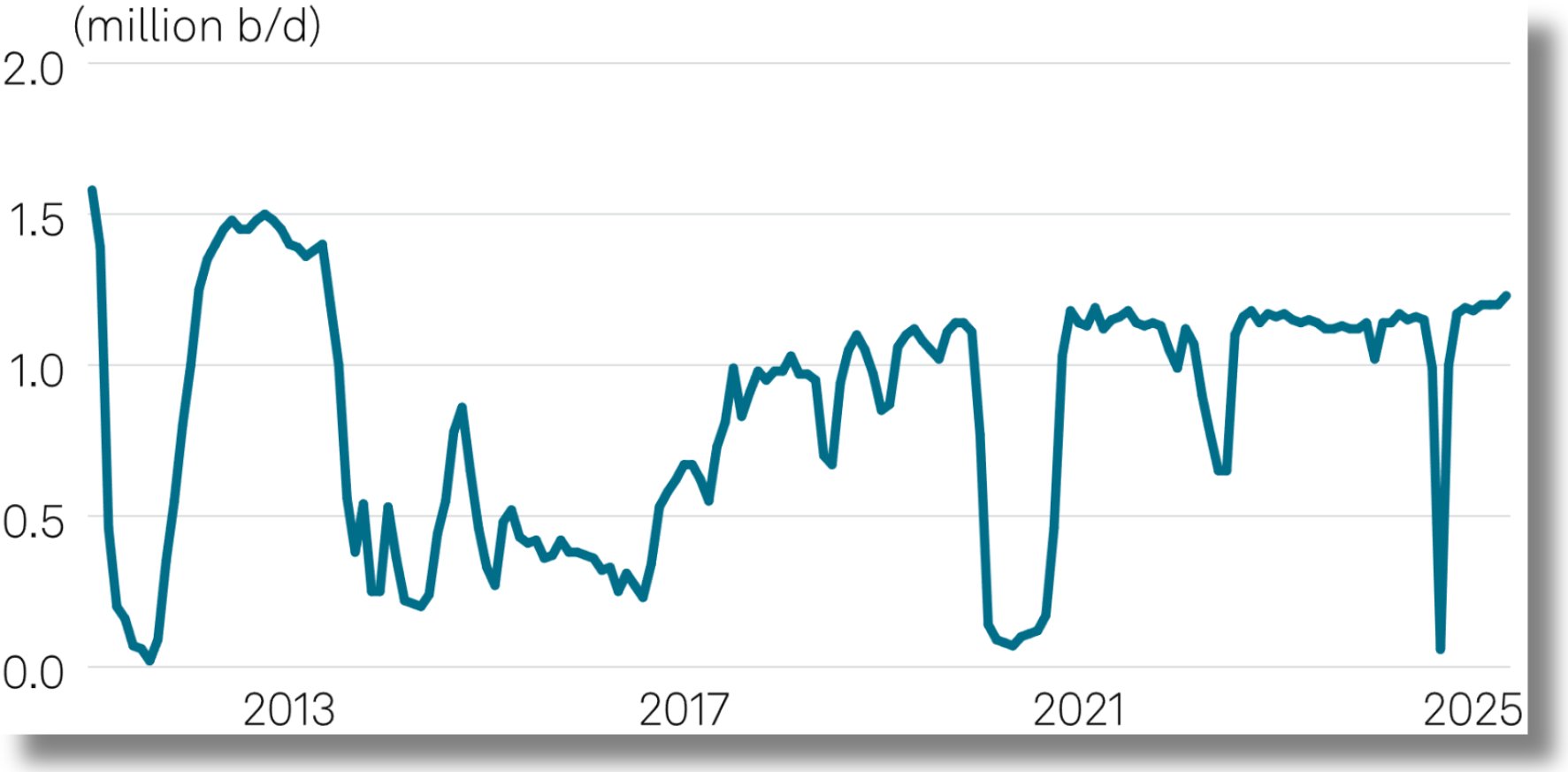
Geopolitical Context has Stalled Oil Output | Source: S&P Global Commodity Index (June 10, 2025)
Historic Licensing Round Attracts Global Interest
Libya's petroleum renaissance received further momentum in November 2025 when NOC announced it had entered the final stage of its first public exploration bid round since 2007—and the first since the 2011 civil war that ended Gaddafi's 42-year rule.
The licensing round, covering 128,714 square kilometers across 22 blocks (11 offshore and 11 onshore), encompasses Libya's most prospective petroleum provinces including the Sirte Basin, Murzuq Basin, Ghadames Basin onshore, and offshore areas including the Sabratha Basin, offshore Sirte Basin, and Cyrenaica Platform.
NOC Chairman Masoud Suleman revealed that 37 companies have pre-qualified for participation, including industry heavyweights ExxonMobil, Chevron, Shell, BP, TotalEnergies, Eni, Repsol, LUKOIL, and QatarEnergy. "Almost all well-known international companies" are participating, Suleman told Bloomberg, highlighting Libya's return as a strategic destination for global energy investment.
Companies are expected to submit formal offers in February 2026, with bid opening scheduled shortly thereafter. The licensing round represents Libya's most ambitious effort to attract foreign investment and technical expertise to accelerate exploration and development across its vast sedimentary basins.
Production Recovery and Future Targets
Libya's current crude oil production averages approximately 1.2 to 1.4 million barrels per day, representing substantial recovery from the 2011-2019 disruption period when output collapsed to between 100,000 and 400,000 barrels per day during the worst periods of civil conflict. As an OPEC member exempted from production quotas due to its volatile security situation, Libya has flexibility to increase output as infrastructure and operational conditions permit.
Libyan Oil Minister Khalifa Abdulsadek, speaking at the ADIPEC energy conference in Abu Dhabi in November 2025, announced the government's ambitious production targets: "We have a mission to increase oil output to 2 million bpd in the next five years," with intermediate targets of 1.6 million barrels per day in 2026 and 1.8 million barrels per day in 2027.
Achieving these targets will require sustained investment estimated at $3 billion to $4 billion to restore aging infrastructure, drill new wells, and enhance recovery rates at mature fields. NOC officials emphasize that Libya's pre-2011 production capacity of 1.6 million barrels per day represented only a fraction of the country's actual petroleum potential, with significant untapped reserves remaining across proven basins.
Refining Sector Remains Challenge Amid Upstream Success
While Libya's exploration and production activities surge forward, the country's downstream refining sector continues to face significant operational challenges. Libya operates five major refineries with combined nameplate capacity of 380,000 barrels per day: Zawiya (120,000 bpd), Ra's Lanuf (220,000 bpd), Tobruk (20,000 bpd), Brega (10,000 bpd), and Sarir (10,000 bpd).
Libyan Refineries | Source: ppPLUS Refining Module
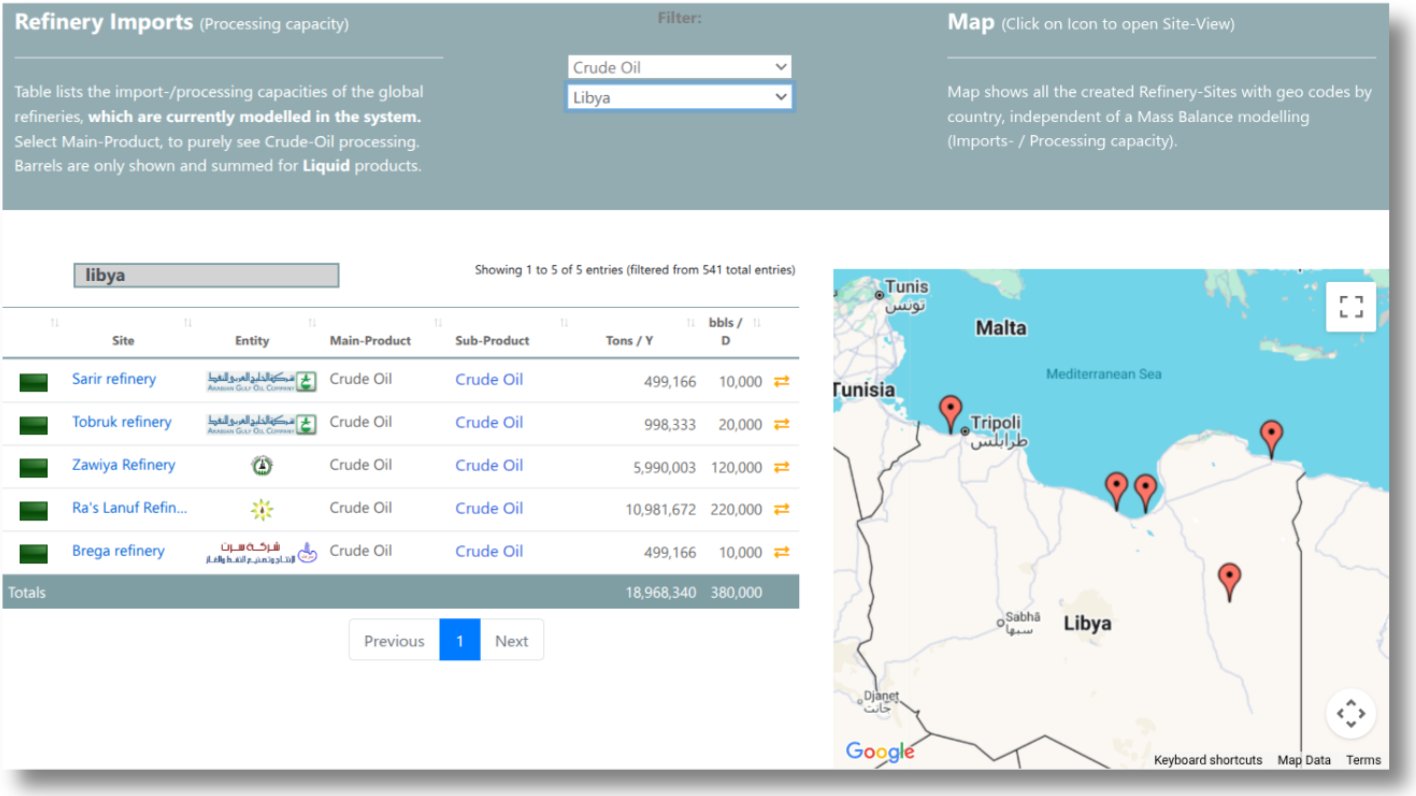
However, the Ra's Lanuf refinery—Libya's largest at 220,000 bpd capacity, accounting for 58% of total refining capacity—has remained completely offline since August 2013 due to a prolonged commercial and legal dispute between NOC and its 50% joint venture partner, UAE-based Trasta Energy Limited (a subsidiary of Al Ghurair Group). Despite multiple arbitration victories for NOC, including a June 2023 ruling obligating Trasta to transfer its 50% stake to NOC, the refinery has not restarted operations as ownership transfer negotiations continue.
The Zawiya refinery, currently Libya's largest operating facility at 120,000 bpd, serves as the primary source of refined products for domestic consumption and export. Other smaller refineries operated by AGOCO and Sirte Oil Company provide regional fuel supplies but lack the capacity to meet national demand, forcing Libya to continue importing refined petroleum products despite being a major crude oil exporter.
Geopolitical Considerations and Investment Risks
Libya's oil sector revival occurs against a backdrop of continued political division between competing governments based in Tripoli (western Libya) and Tobruk (eastern Libya), though petroleum operations have largely remained insulated from political disputes through NOC's careful neutrality and international recognition as the sole legitimate custodian of Libya's oil resources.
The presence of Russian military forces and Moscow's political interests in eastern Libya present potential complications for Western oil companies seeking to expand operations. However, industry analysts suggest that increased investment from American and European energy majors—backed by their governments' strategic interests—may serve to counterbalance Russian influence while providing Libya with the capital and technology needed to maximize petroleum production.
NOC's success in maintaining operational continuity, protecting oil infrastructure from militia attacks, and preserving its international legitimacy despite Libya's fractured political landscape has proven critical to enabling the current exploration resurgence. The corporation's ability to negotiate agreements with major international companies while managing relationships with competing Libyan political factions demonstrates sophisticated institutional capacity that bodes well for sustaining long-term investment.
Strategic Implications for African Energy Markets
Libya's petroleum sector revival carries significant implications for North African and Mediterranean energy markets. With proven reserves estimated at 48 billion barrels of crude oil and 1.5 trillion cubic meters of natural gas, Libya possesses Africa's largest proven oil reserves and the continent's fourth-largest gas reserves.
The country's proximity to European markets—particularly Italy, which historically relied heavily on Libyan petroleum exports—positions Libya as a potential key supplier for Europe's energy security efforts as Western European nations seek to diversify away from Russian hydrocarbons. Libya's gas reserves could play an important role in supplying European markets through existing infrastructure connections via Italy.
Libyan gas supplies to Italy through the Greenstream pipeline have completely stopped | Credit: MEED (June 24, 2024)

For Libya itself, petroleum revenues remain the cornerstone of economic recovery and state budget financing, accounting for more than 90% of government revenues and nearly all export earnings. Successful implementation of production expansion plans to reach 2 million barrels per day would generate substantial additional revenues for reconstruction, infrastructure development, and social services in a nation still recovering from more than a decade of conflict and instability.
Outlook: Cautious Optimism Amid Remaining Challenges
The convergence of new domestic discoveries, returning international investment, and Libya's first competitive licensing round in 18 years creates genuine grounds for optimism about the country's petroleum future. However, industry observers caution that Libya's path forward remains contingent on sustained political stability, continued security improvements, and resolution of outstanding commercial disputes such as the Ra's Lanuf refinery situation.
Libya's ability to translate current exploration success into sustained production growth will depend on consistent execution across multiple dimensions: maintaining secure operating environments for international companies, ensuring reliable infrastructure and export terminal operations, resolving political divisions that periodically threaten oil facilities, and demonstrating transparent, predictable fiscal and regulatory frameworks that encourage long-term capital
commitment.
For now, Libya's National Oil Corporation and its international partners are focused on the immediate opportunities: bringing new discoveries into production, accelerating exploration drilling across proven and frontier basins, and preparing for what could be a transformative licensing round in early 2026. If current momentum continues, Libya may indeed reclaim its position as one of Africa's premier petroleum producers within the next five years.
Sources: This article was compiled using information from Business Insider Africa, Reuters, Libya Herald, Middle East Economic Survey (MEES), Ecofin Agency, S&P Global Commodity Insights, Discovery Alert, Rigzone, Oil Price, Asharq Al-Awsat, Enerdata, the U.S. Energy Information Administration (EIA), Energy Capital & Power, official statements from Libya's National Oil Corporation (NOC), OMV corporate disclosures, ExxonMobil public statements, and supplementary technical publications on Libya's petroleum sector. — ppPLUS Research Team, November 28, 2025
About ppPLUS: Portfolio Planning PLUS provides comprehensive intelligence on global refining, petrochemicals, and energy infrastructure projects, offering detailed analysis of facility operations, corporate structures, and industry developments across international markets.